Chiang Mai CCS and University of Leeds Co-host International Seminar Advancing Subsurface Gas Storage to Support UK–Thailand Net Zero Goals
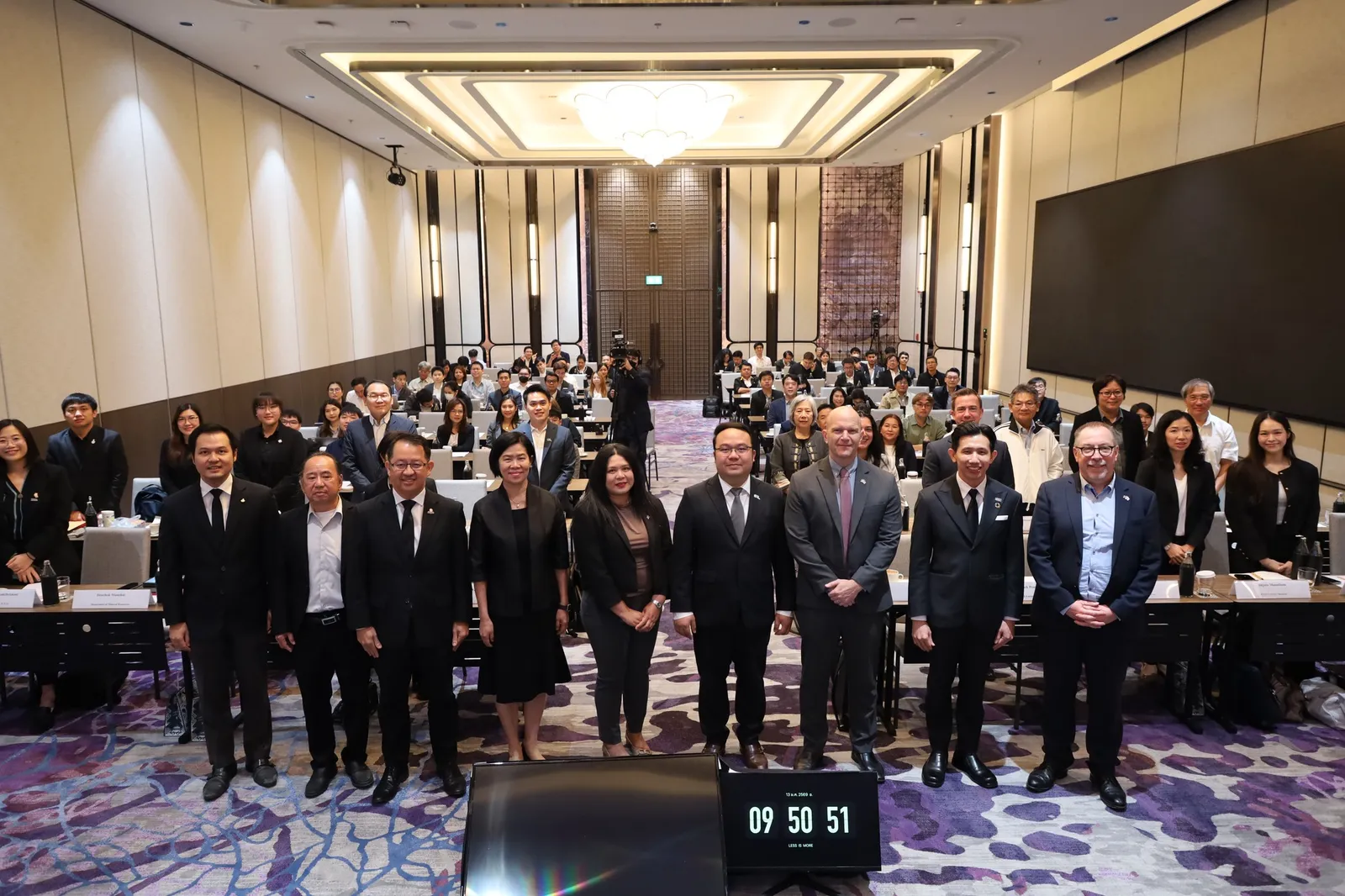
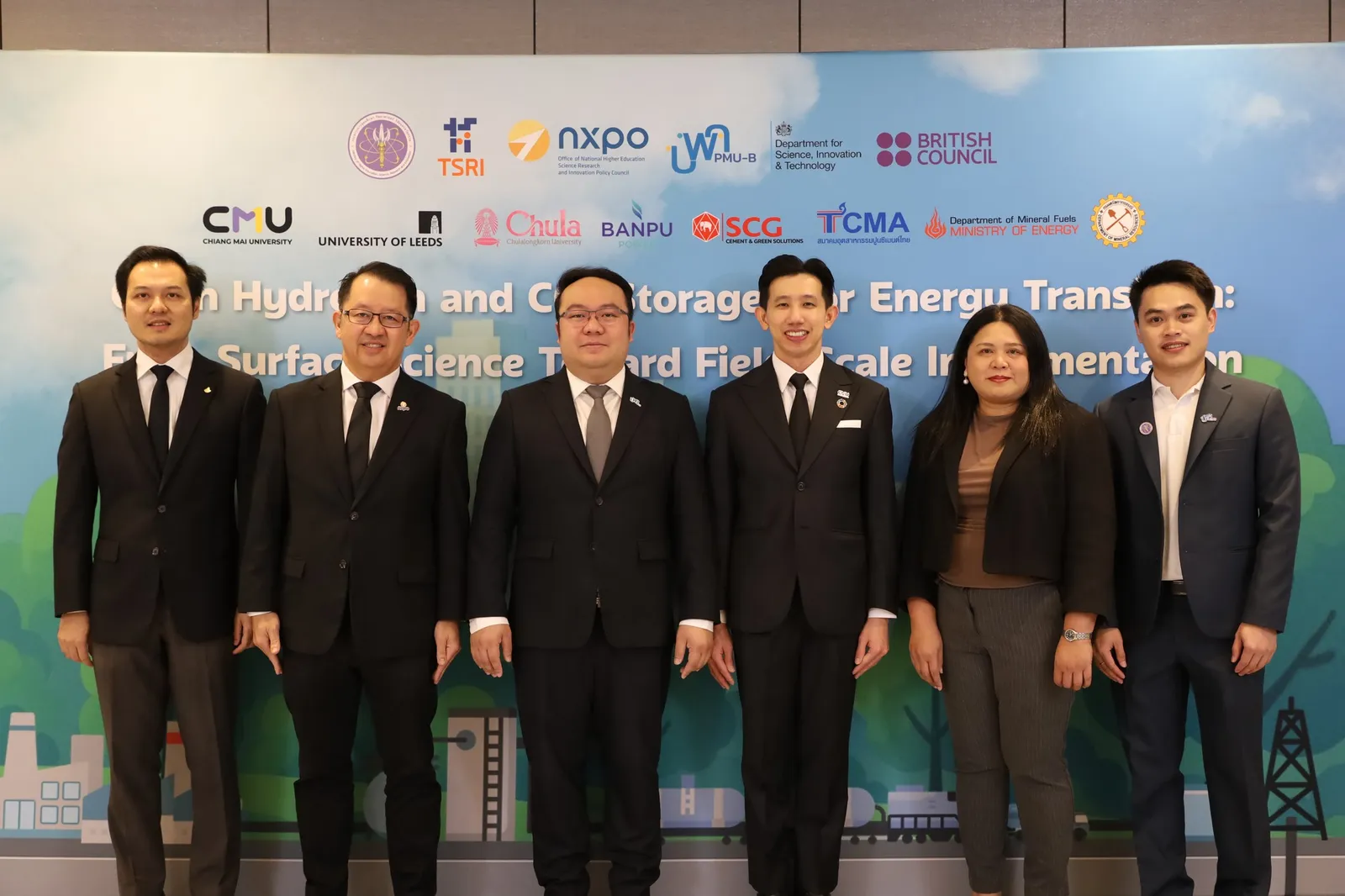
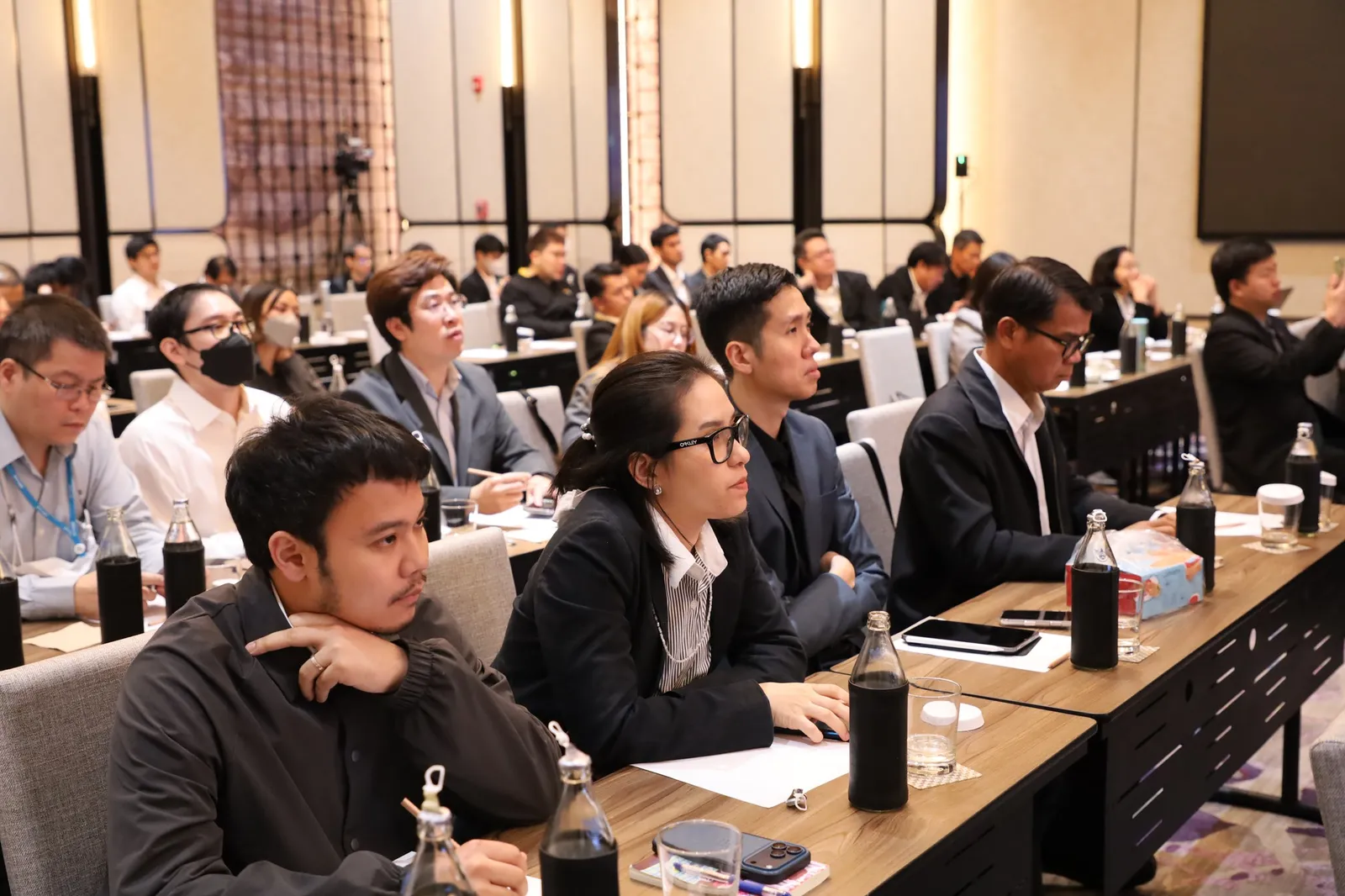
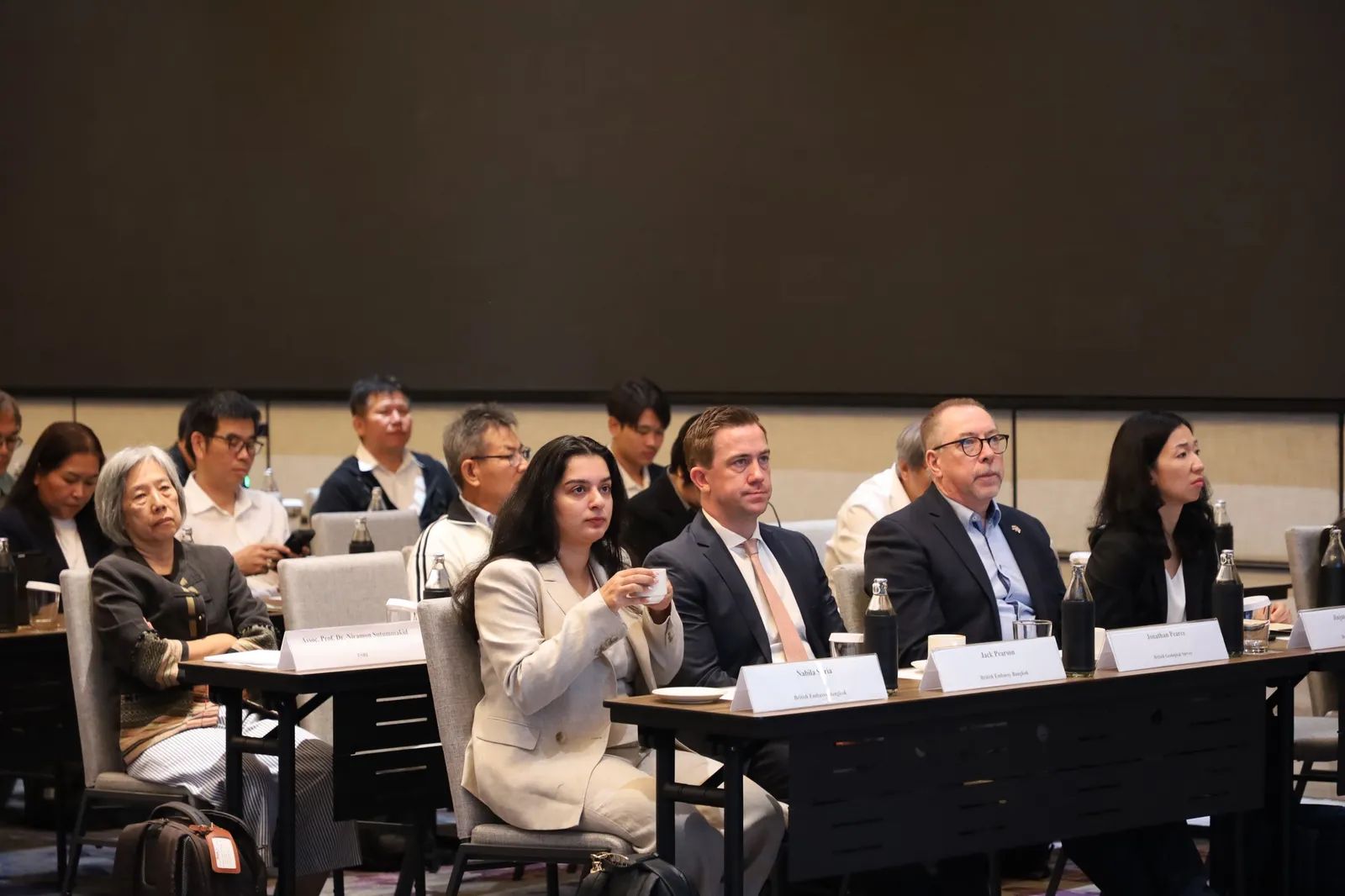
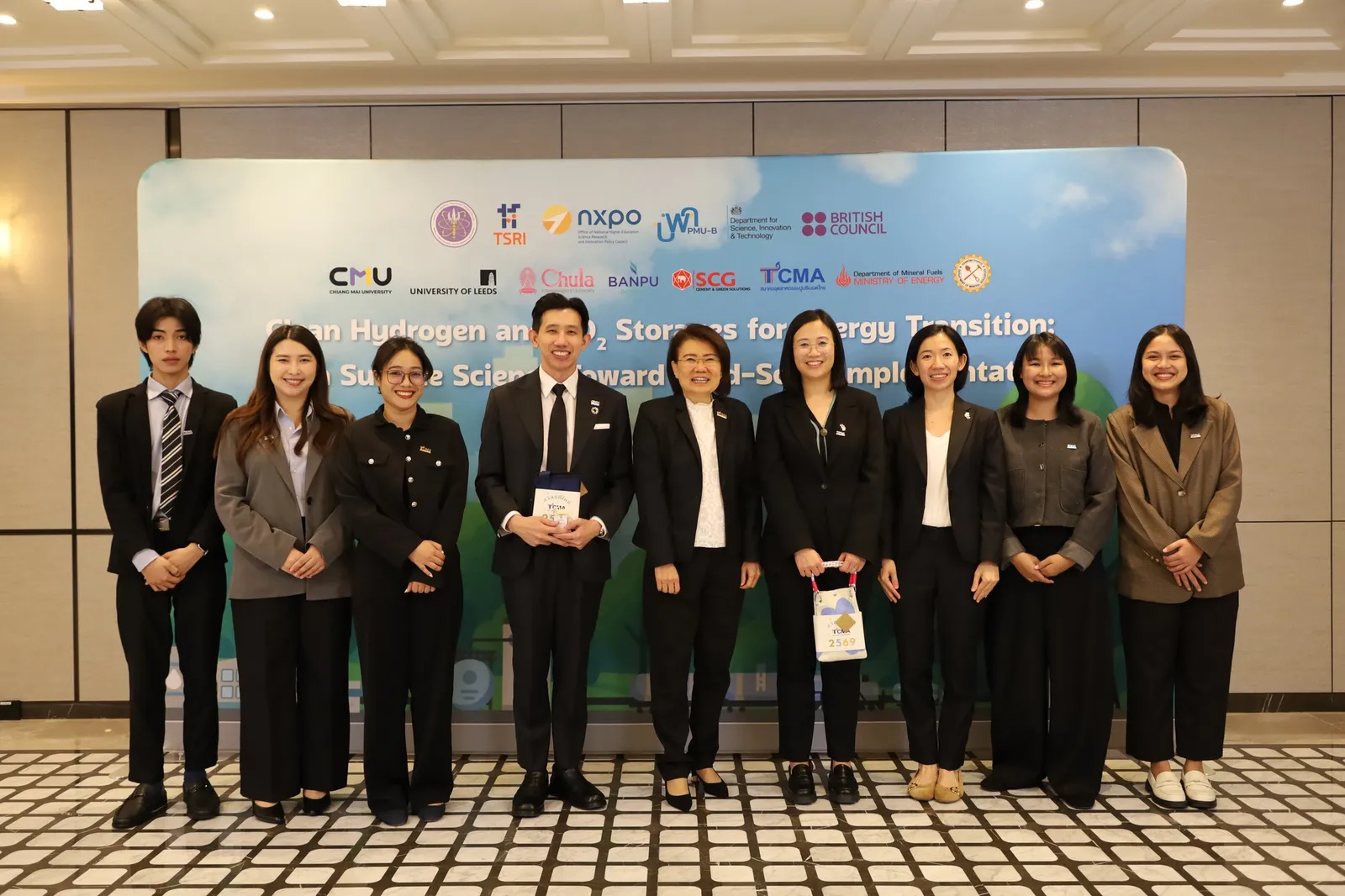
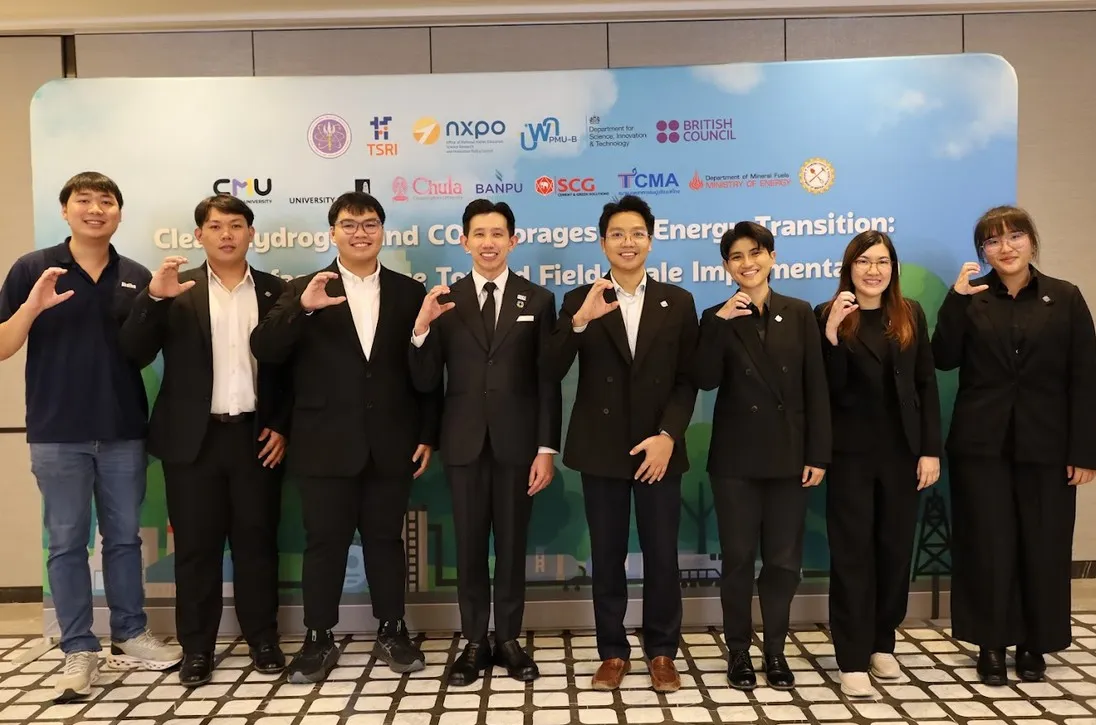
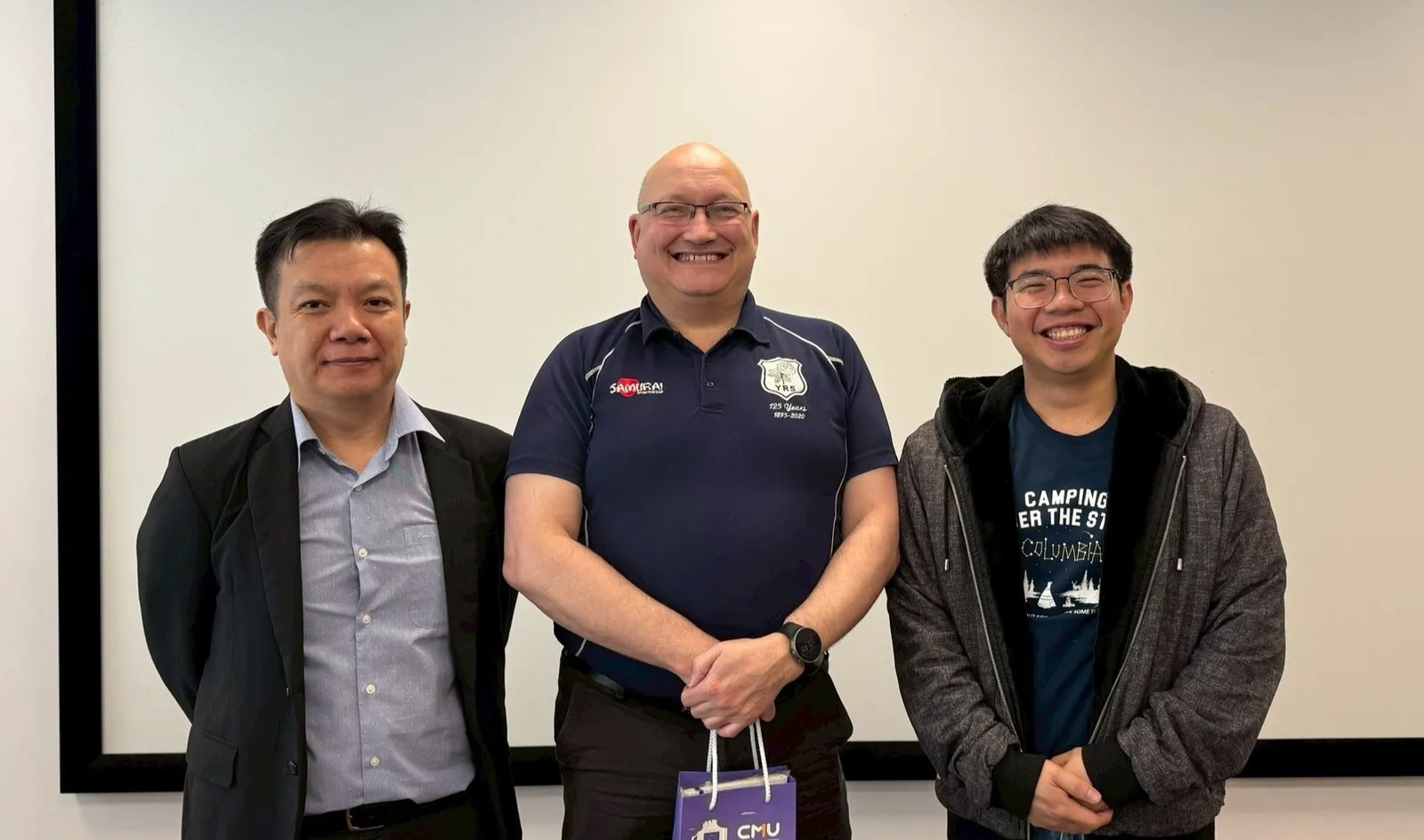
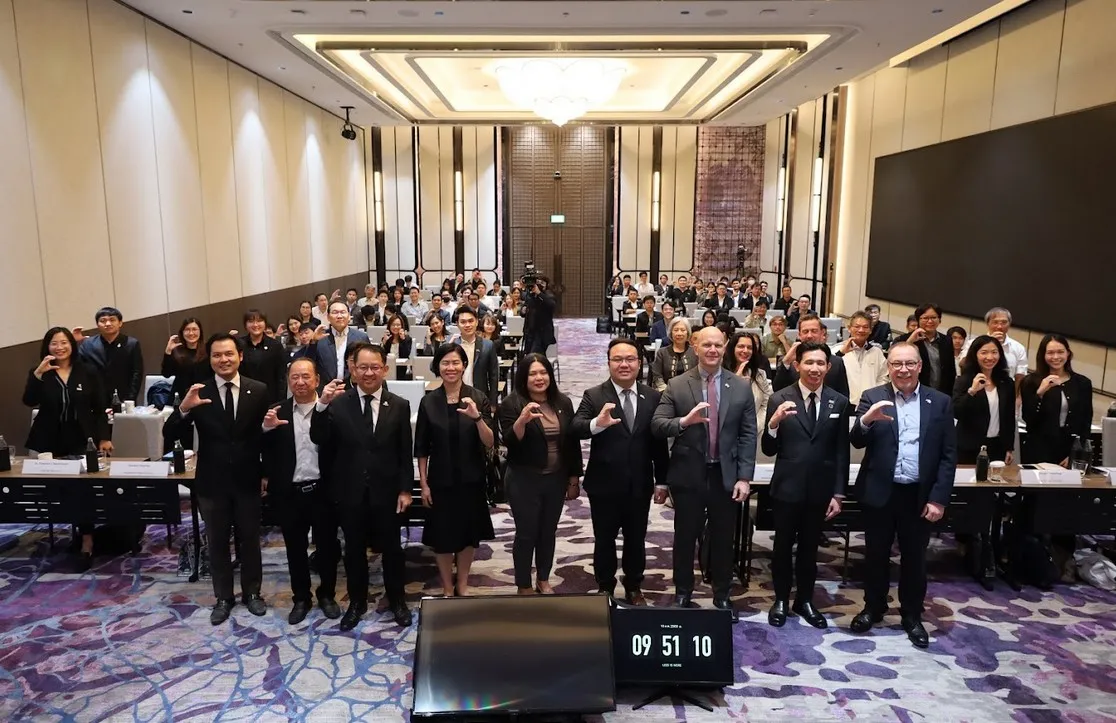
Chiang Mai University, through the Chiang Mai Research Center for Carbon Capture and Storage (Chiang Mai CCS), in collaboration with the University of Leeds, United Kingdom, and partner organizations from both countries, co-hosted the international seminar entitled “UK–Thailand International Seminar on Subsurface Storage in Saline Formations” on 13 January 2026 at The Sukosol Hotel, Bangkok. The seminar was supported by the Program Management Unit for Technology and Innovation for Future Industries (PMU-B) under the Ministry of Higher Education, Science, Research and Innovation of Thailand, together with the British Council through the International Science Partnerships Fund (ISPF) of the UK Government. The event aimed to strengthen bilateral research collaboration and knowledge exchange in subsurface hydrogen storage and geological carbon dioxide storage, which are key enabling technologies for energy transition and greenhouse gas mitigation in both countries.
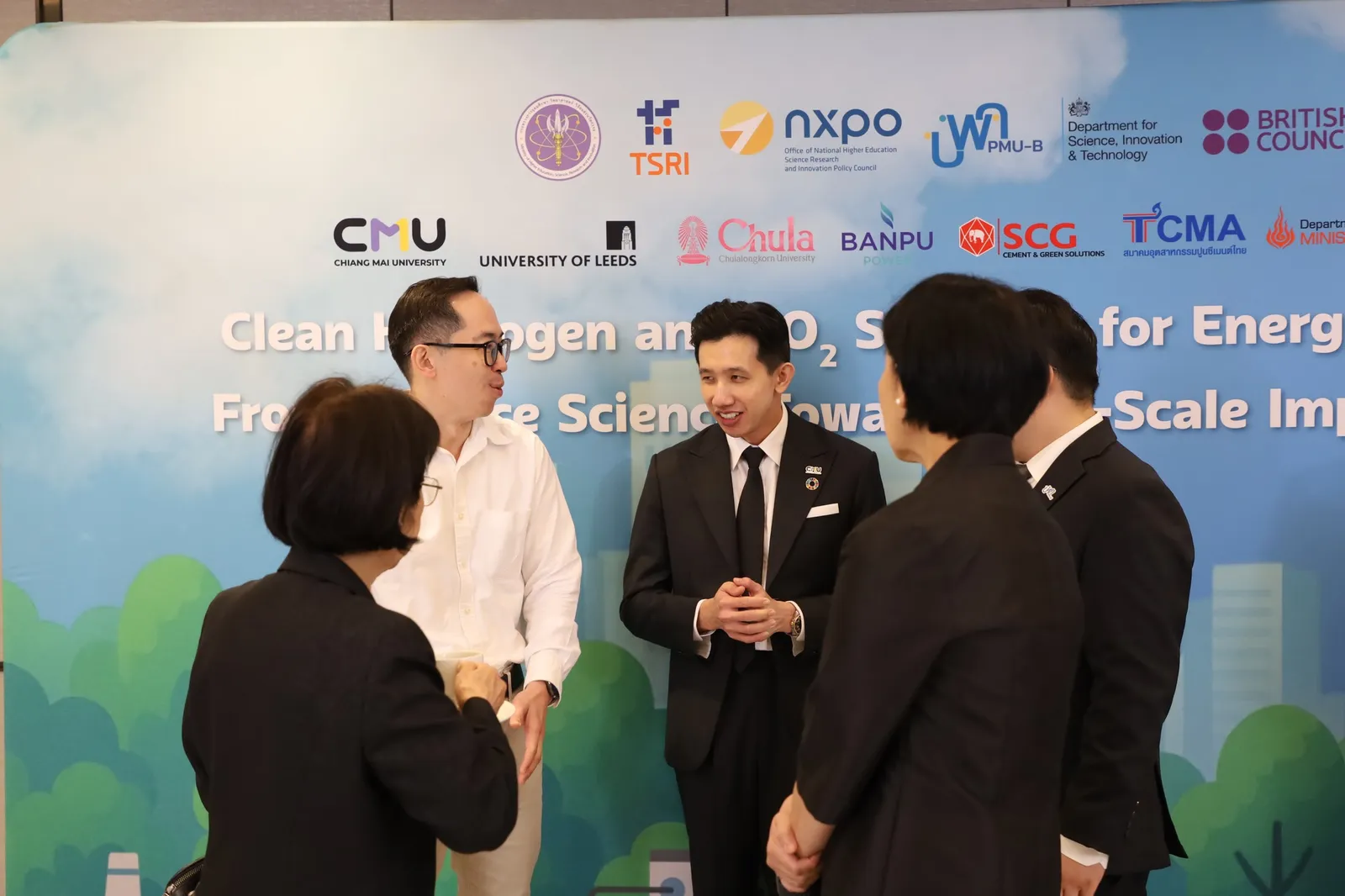
The opening ceremony was officiated by Dr. Nirawat Thammajak, Director of PMU-C, who delivered the welcoming remarks, and Mr. David Thomas, Deputy Head of Mission at the British Embassy in Thailand, who formally opened the seminar. The event also featured keynote remarks highlighting collaborative visions and policy alignment by Ms. Uraiwan Samolee, Head of Education at the British Council Thailand, and Dr. Pongvipa Lohsomboon, Senior Specialist at the Thailand Science Research and Innovation (TSRI), in her capacity as Chair of the Steering Committee of the Thailand CCUS Alliance (TCCA). These contributions underscored the importance of coordinated efforts among government agencies, academia, and industry in translating clean energy technologies into practical implementation.
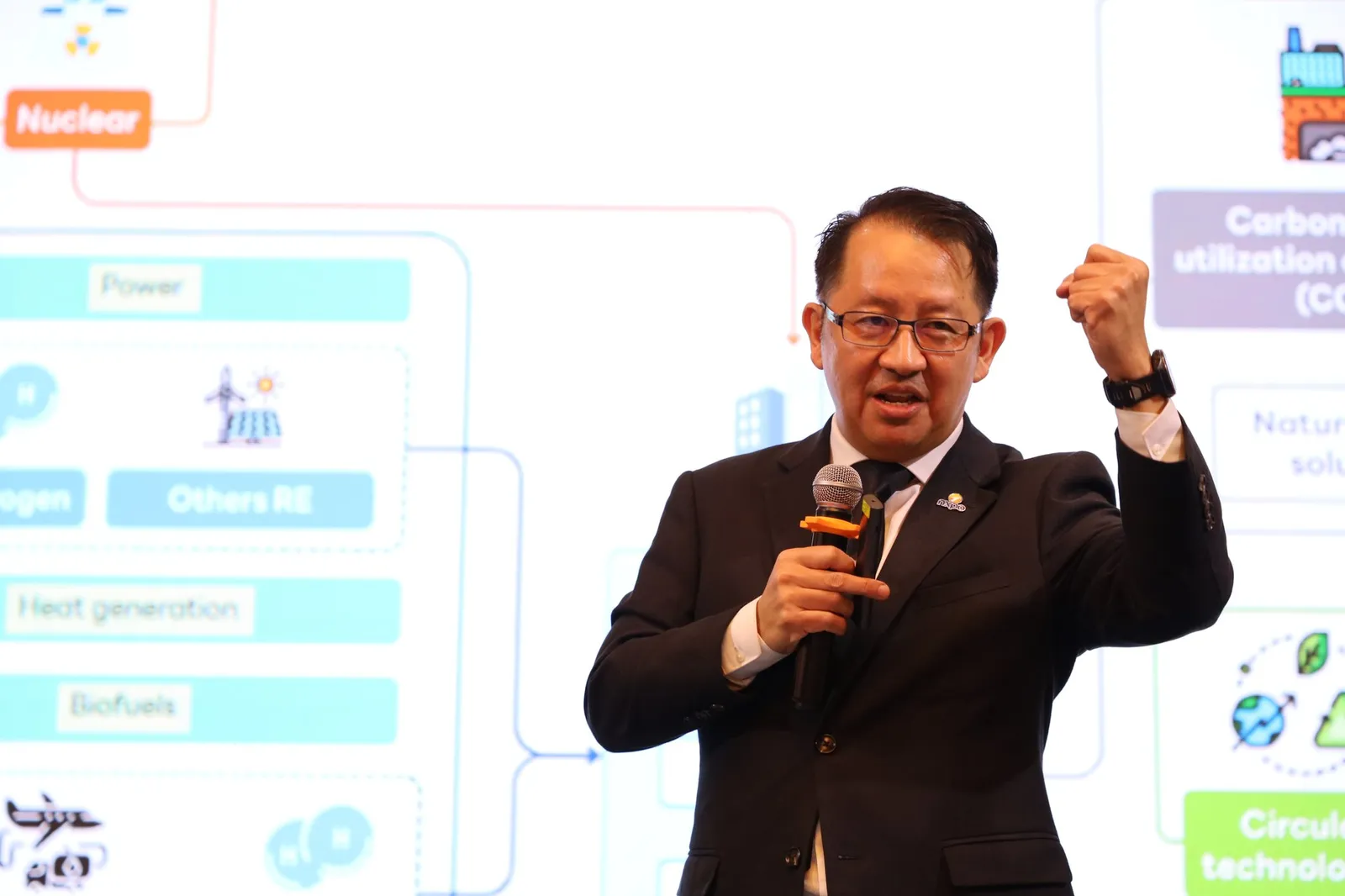
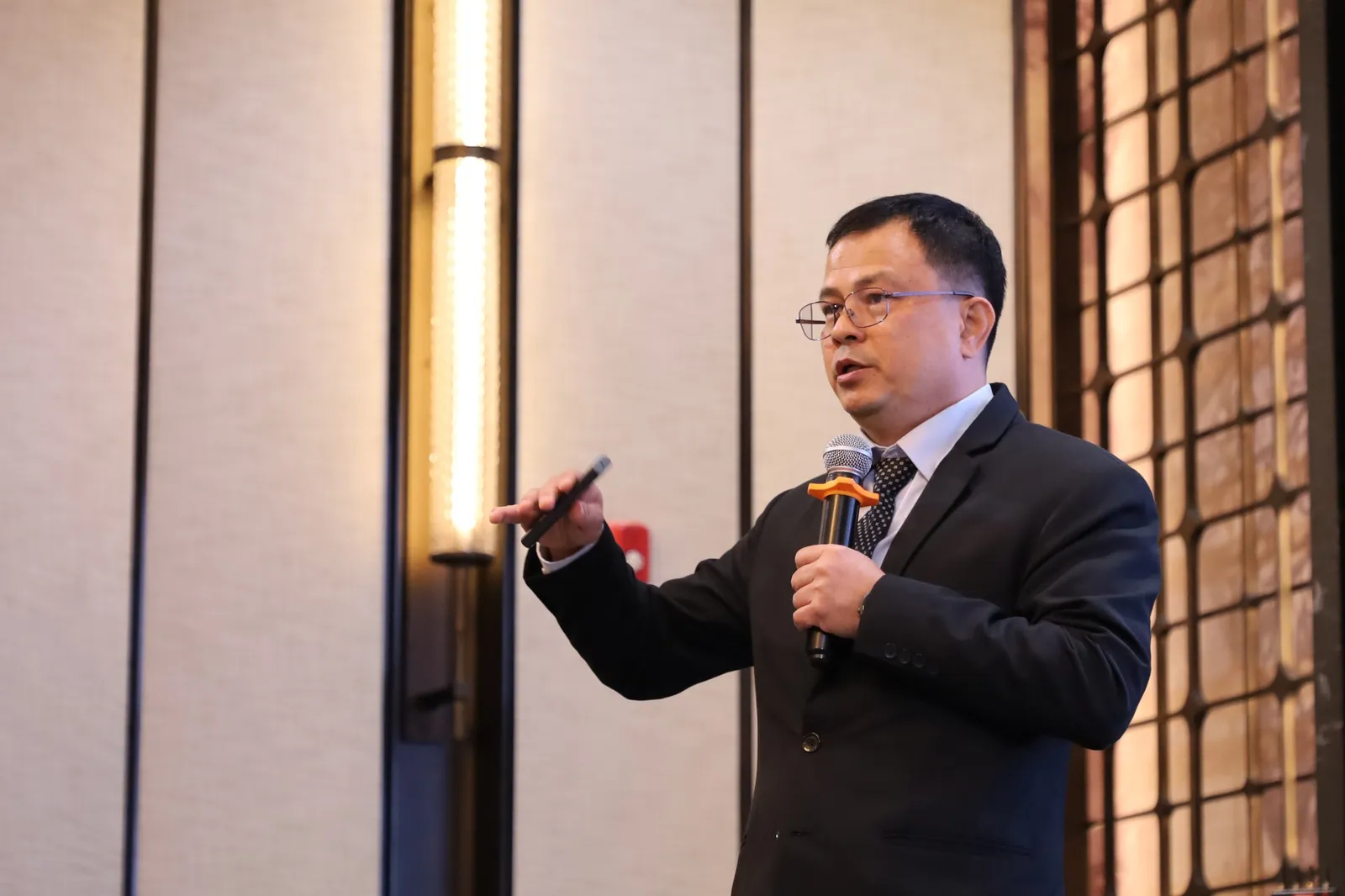
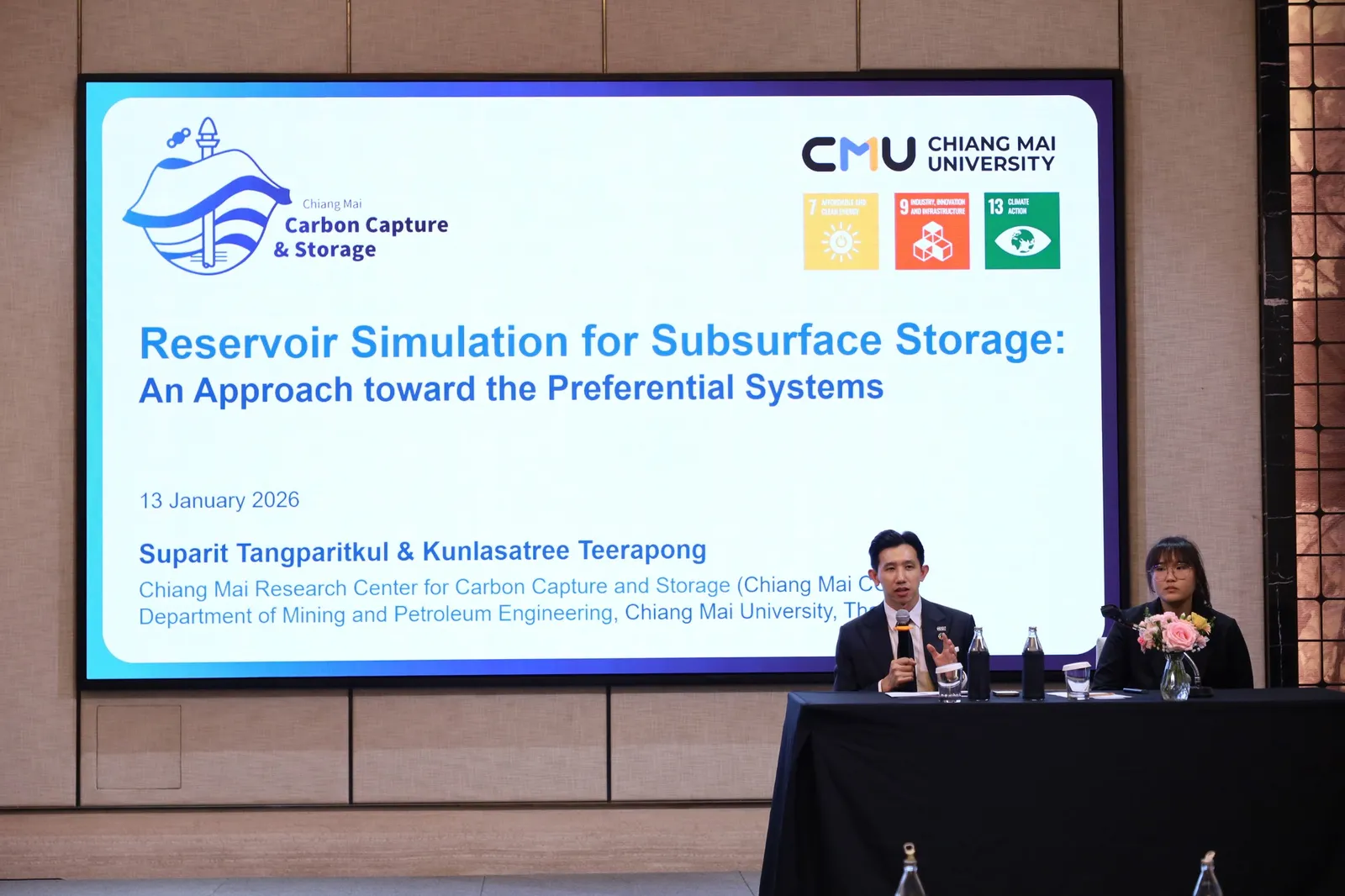
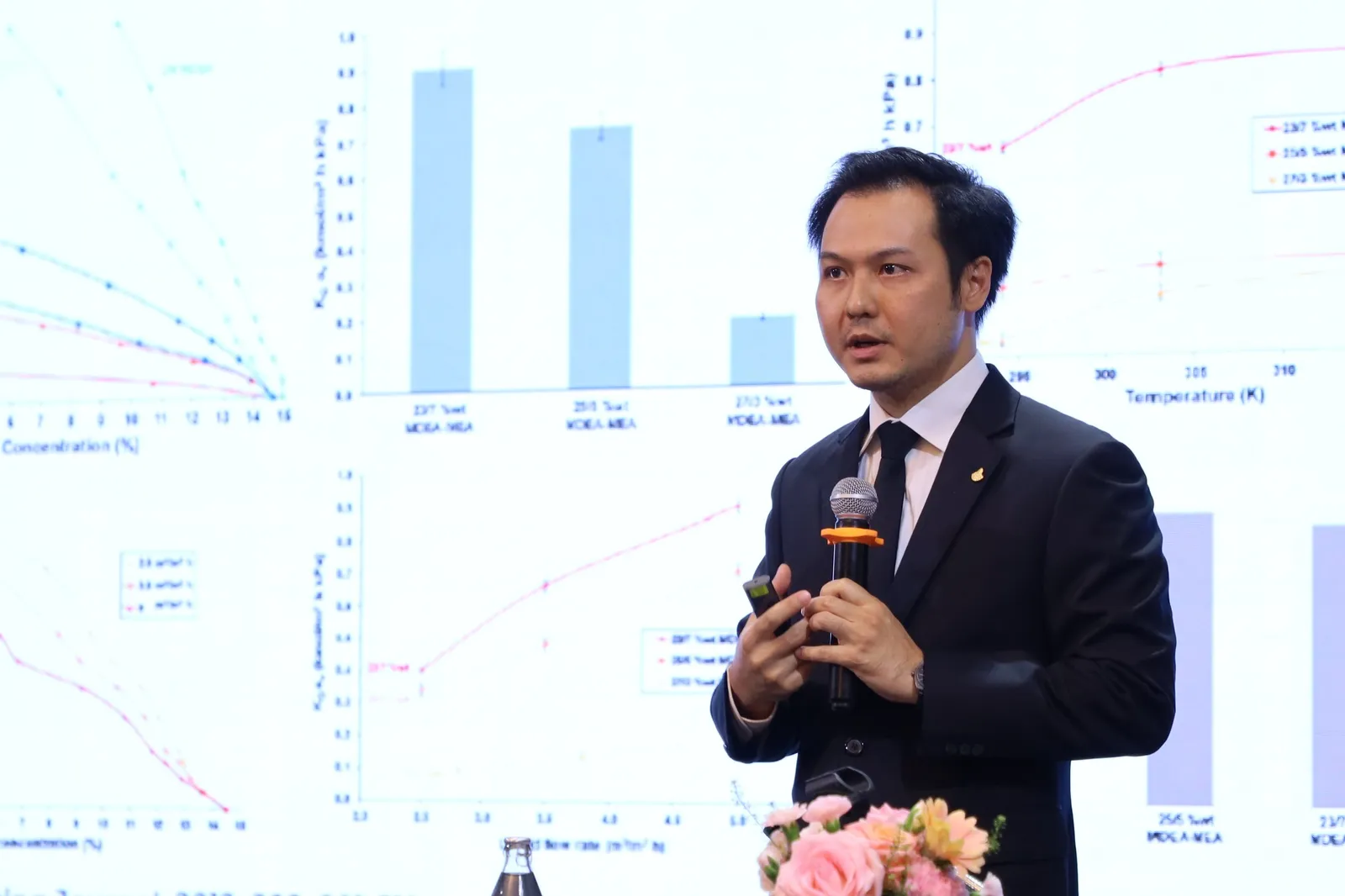
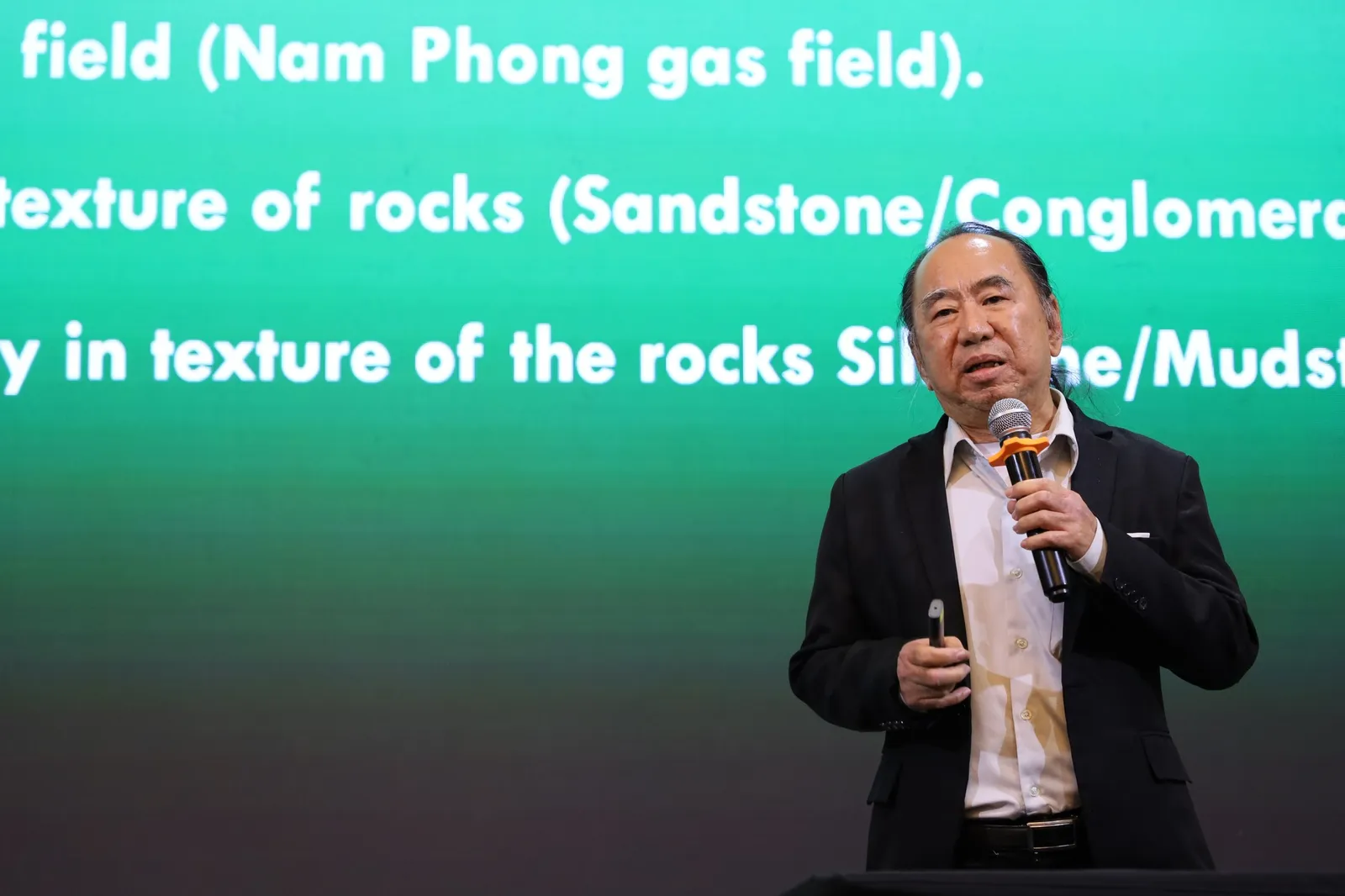
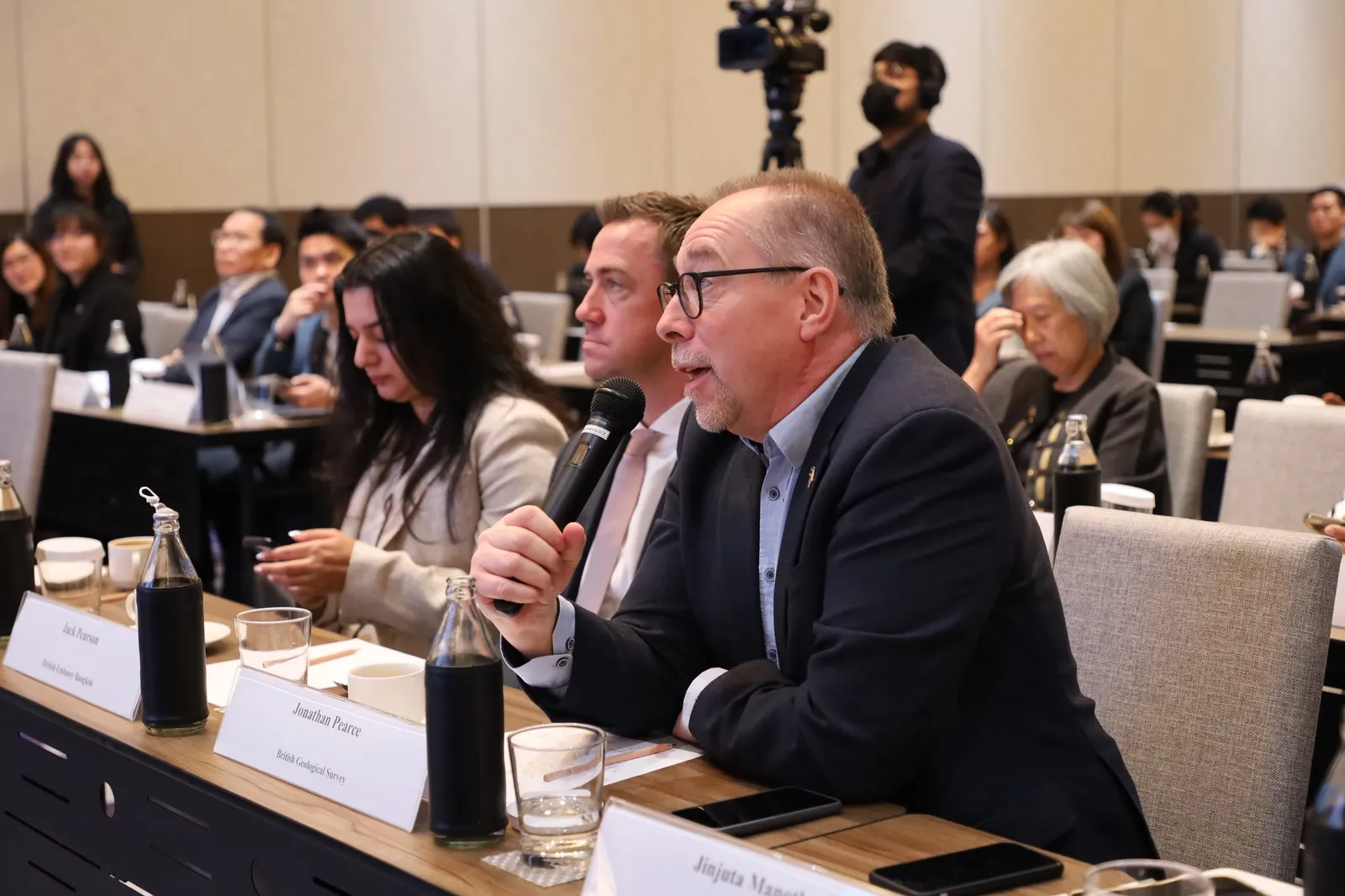
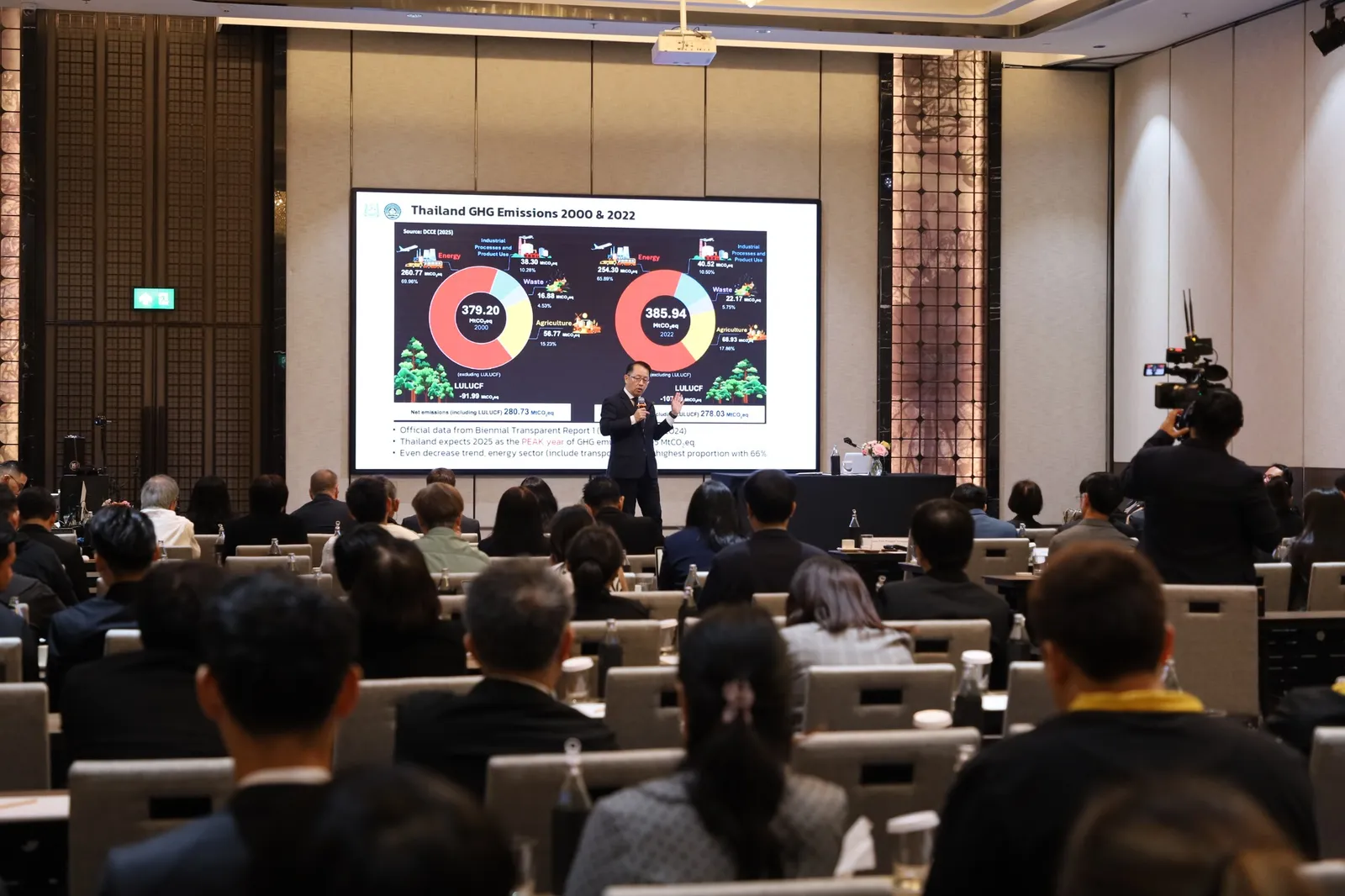
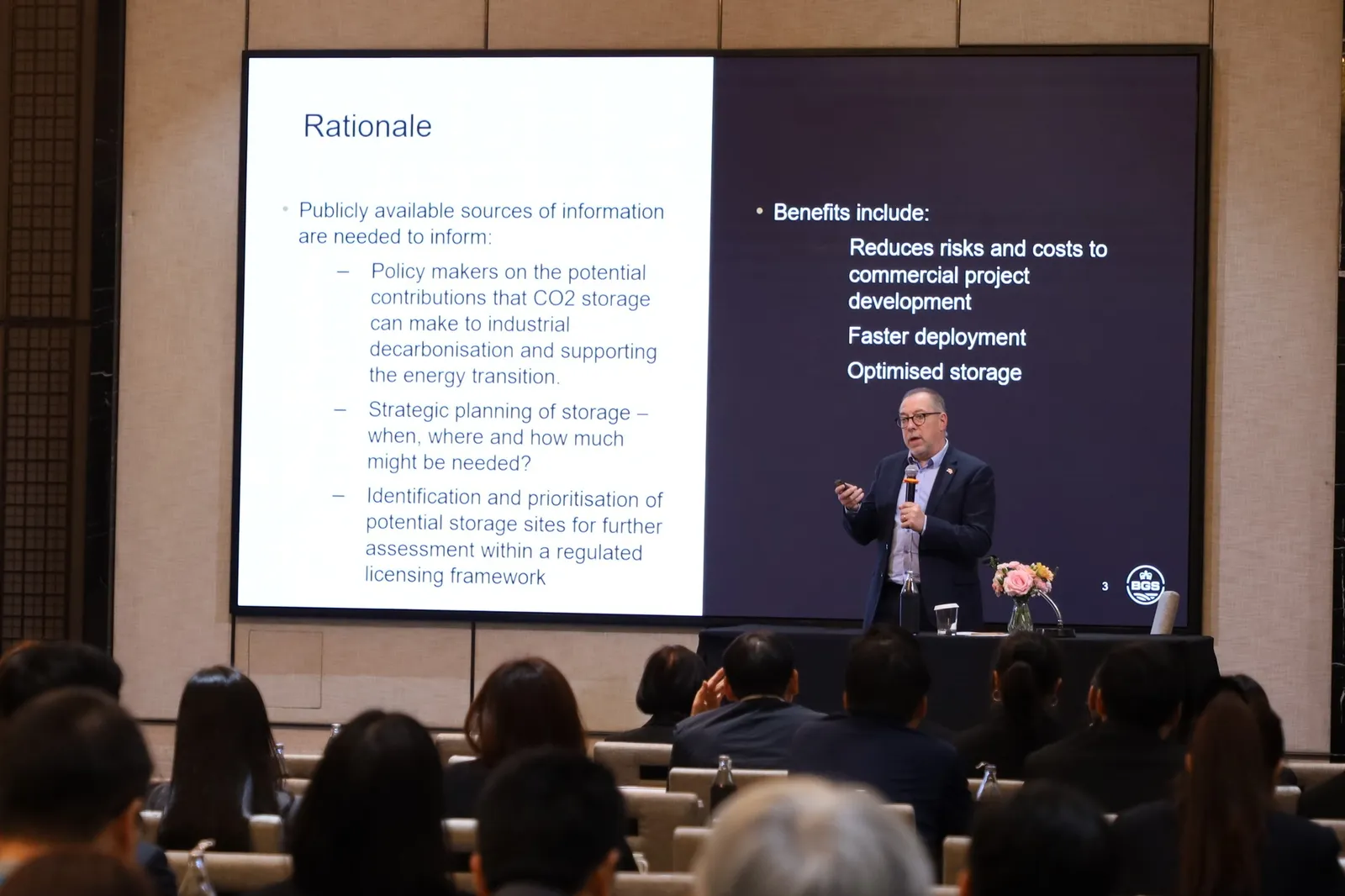
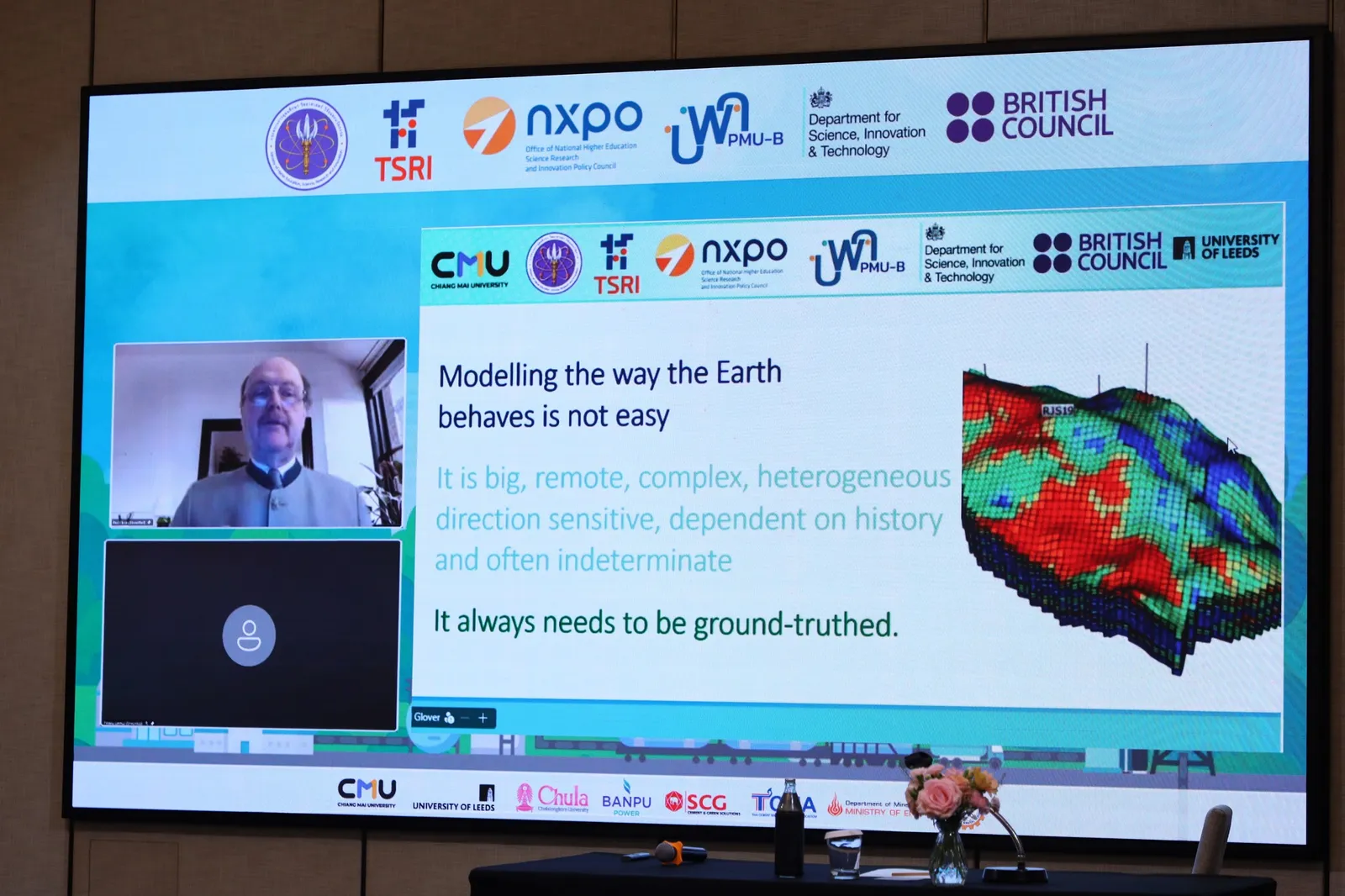
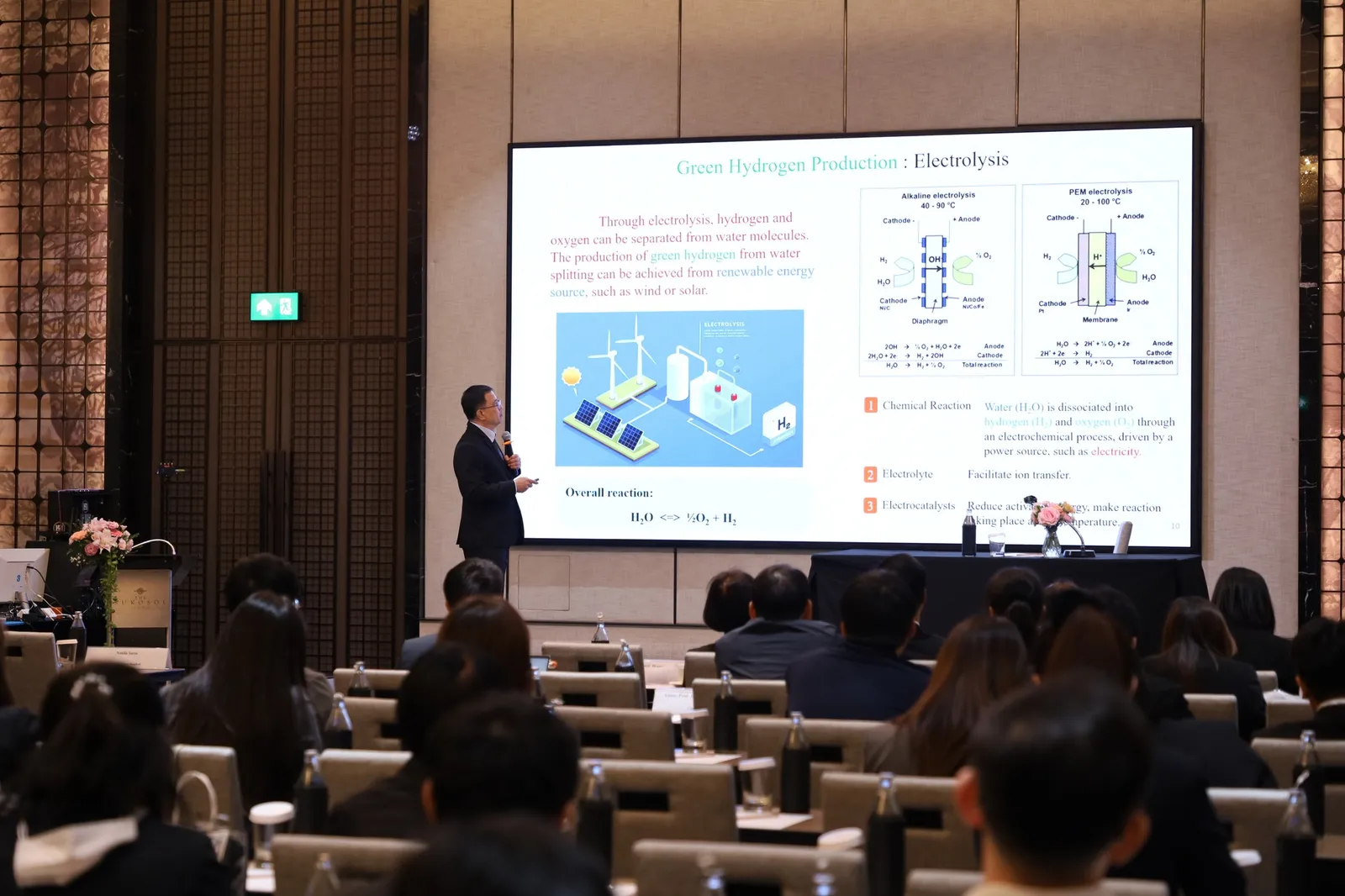
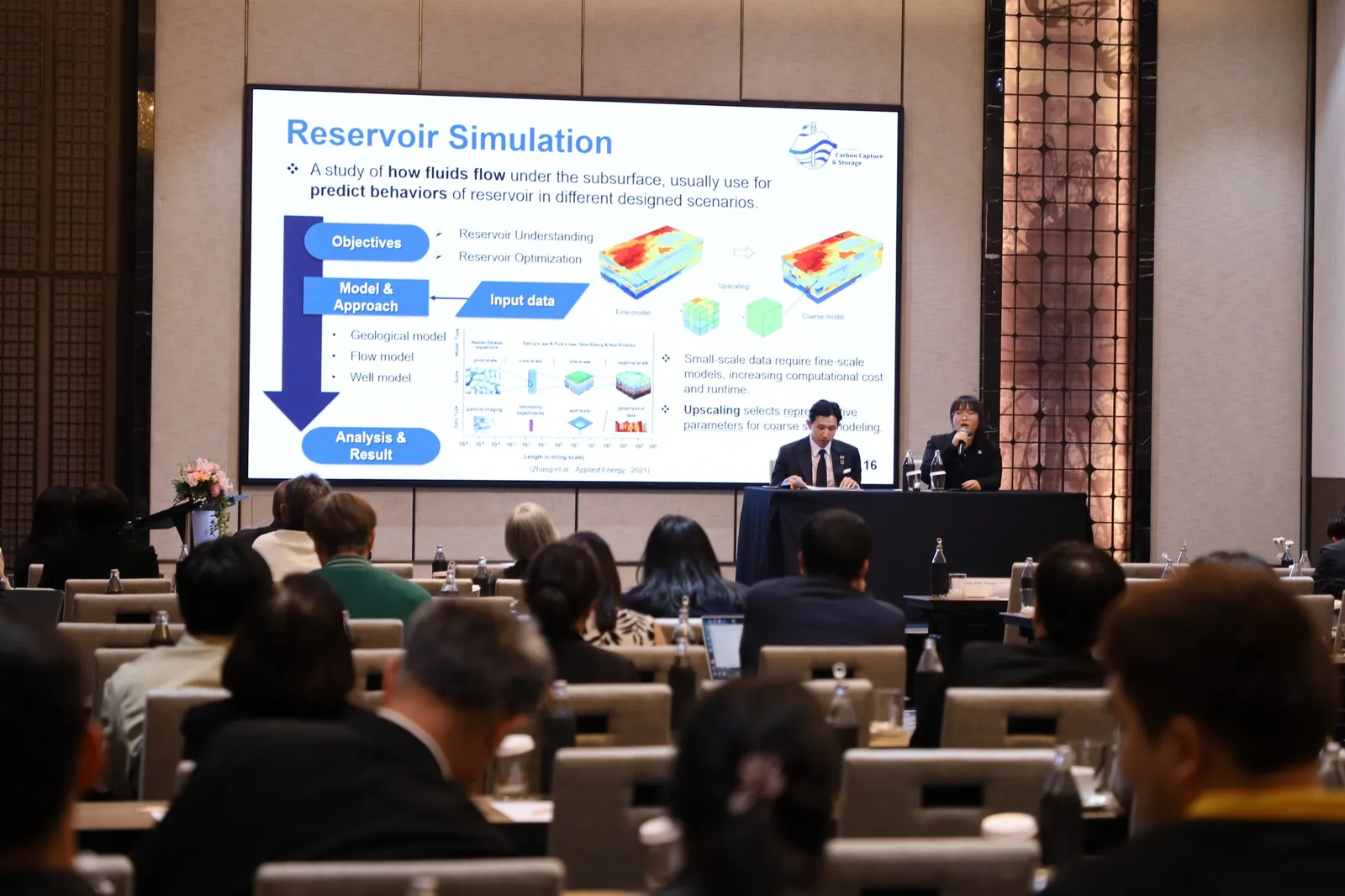
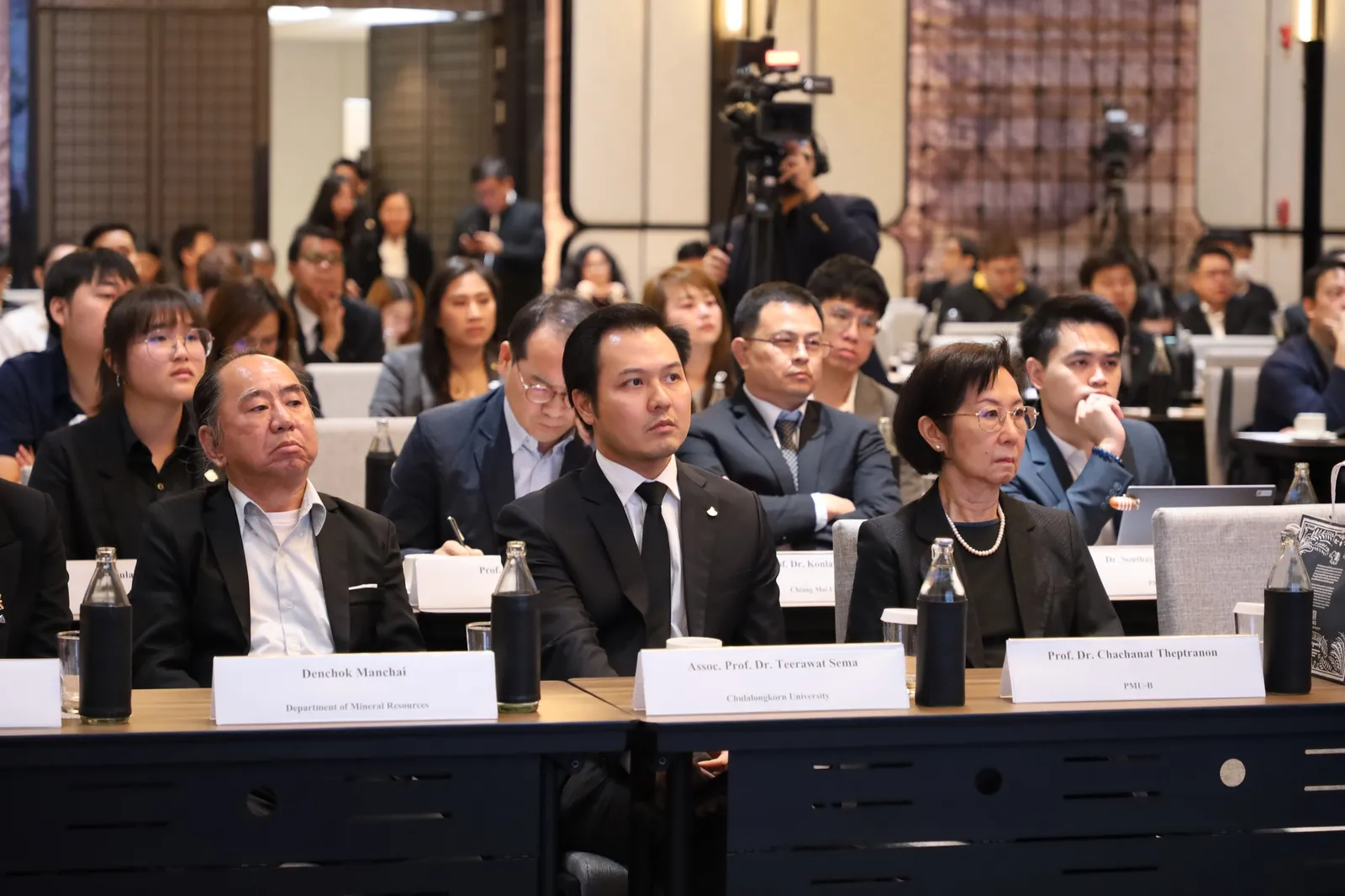
The seminar brought together leading experts from Thailand and the United Kingdom to address critical topics across the energy transition value chain. Key presentations included: the role of hydrogen and CCS technologies in energy transition by Assoc. Prof. Wongkot Wongapai (NXPO); hydrogen production technologies by Assoc. Prof. Dr. Konlayutt Punyawudho (Chiang Mai University); carbon capture technologies by Assoc. Prof. Dr. Teerawat Sema (Chulalongkorn University); surface science approaches for improving subsurface gas storage efficiency by Assoc. Prof. Dr. David Harbottle (University of Leeds); carbon storage mapping by Mr. Jonathan Pearce (British Geological Survey); geology of the Khorat Basin by Mr. Denchok Manchai (Department of Mineral Resources); uncertainty analysis in storage simulation by Prof. Dr. Paul Glover and Assoc. Prof. Dr. Piroska Lorinczi (University of Leeds); and reservoir-scale simulation for subsurface gas storage by Assoc. Prof. Dr. Suparit Tangparitkul, Thai Project Lead, together with Ms. Kunlasatree Teerapong, a graduate researcher from Chiang Mai University. Collectively, these sessions linked fundamental scientific understanding to engineering design and decision-making at the project scale.
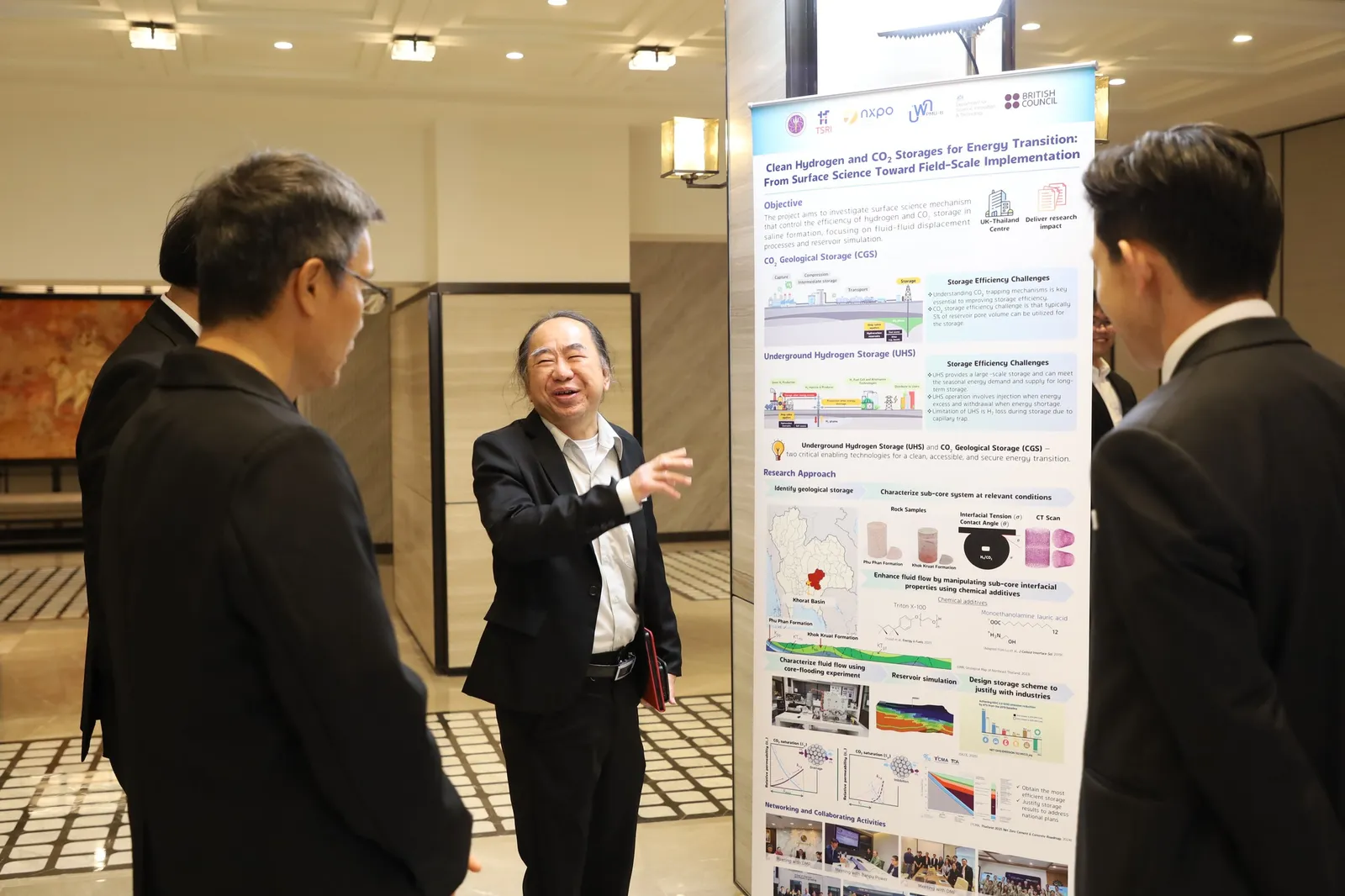
The seminar formed part of the UK–Thailand collaborative research project entitled “Clean Hydrogen and CO₂ Storages for Energy Transition: From Surface Science Toward Field-Scale Implementation.” The project focuses on elucidating surface science mechanisms governing hydrogen and CO₂ storage efficiency in saline aquifers, spanning pore-scale interactions among rock, brine, and gas, core-scale experiments, and reservoir-scale flow simulations. The research aims to develop storage design and management strategies tailored to the geological and regulatory context of Thailand. In this regard, the seminar marked a foundational step in establishing a structured platform that bridges advanced scientific research with policy formulation and industrial application.
In addition, the project envisions the establishment of a UK–Thailand Joint Center for Clean Hydrogen and Carbon Storage, serving as a hub for knowledge transfer, technology development, and innovation dissemination to industry. The initiative also emphasizes capacity building through the training of early-career researchers and engineers in clean energy technologies. The project is supported by key Thai partners from both the public and private sectors, including Chulalongkorn University, the Department of Mineral Fuels, the Department of Mineral Resources, the Thai Cement Manufacturers Association, Banpu Power Public Company Limited, and SCG Cement Company Limited. These partners play a critical role in aligning research directions with national policy priorities and ensuring that research outcomes generate tangible, long-term impacts on Thailand’s energy transition.
ศูนย์วิจัยการดักจับและกักเก็บคาร์บอนไดออกไซด์เชียงใหม่ (Chiang Mai CCS) มหาวิทยาลัยเชียงใหม่ ร่วมกับ University of Leeds สหราชอาณาจักร และหน่วยงานพันธมิตรจากทั้งสองประเทศ จัดสัมมนาระดับนานาชาติ “UK–Thailand International Seminar on Subsurface Storage in Saline Formations” เมื่อวันที่ 13 มกราคม 2569 ณ โรงแรมเดอะ สุโกศล กรุงเทพมหานคร ภายใต้การสนับสนุนจากหน่วยบริหารจัดการทุนด้านเทคโนโลยีและนวัตกรรมเพื่ออุตสาหกรรมแห่งอนาคต (บพค.) กระทรวงการอุดมศึกษา วิทยาศาสตร์ วิจัยและนวัตกรรม ร่วมกับ British Council ภายใต้โครงการ International Science Partnerships Fund (ISPF) ของรัฐบาลสหราชอาณาจักร โดยมีเป้าหมายเพื่อส่งเสริมความร่วมมือด้านการวิจัยและการถ่ายทอดองค์ความรู้ด้านการกักเก็บไฮโดรเจนใต้พิภพ และการกักเก็บคาร์บอนไดออกไซด์เชิงธรณีวิทยา ซึ่งเป็นเทคโนโลยีสำคัญในการสนับสนุนการเปลี่ยนผ่านพลังงานและเป้าหมายการลดการปล่อยก๊าซเรือนกระจกของทั้งสองประเทศ
พิธีเปิดได้รับเกียรติจาก ดร.ณิรวัฒน์ ธรรมจักร์ ผู้อำนวยการ บพค. กล่าวต้อนรับ และ Mr. David Thomas Deputy Head of Mission สถานเอกอัครราชทูตอังกฤษประจำประเทศไทย กล่าวเปิดงาน พร้อมด้วยการกล่าวถึงแนวทางความร่วมมือจากคุณอุไรวรรณ สะโมลี Head of Education ของ British Council Thailand และ ดร.พงษ์วิภา หล่อสมบูรณ์ ผู้เชี่ยวชาญอาวุโส สกสว. ในฐานะประธานกรรมการขับเคลื่อน Thailand CCUS Alliance (TCCA) สะท้อนความร่วมมือระหว่างภาครัฐ ภาควิชาการ และภาคอุตสาหกรรมในการขับเคลื่อนเทคโนโลยีพลังงานสะอาดสู่การใช้งานจริง
การสัมมนารวบรวมผู้เชี่ยวชาญจากหน่วยงานชั้นนำทั้งในและต่างประเทศ ครอบคลุมประเด็นสำคัญตลอดห่วงโซ่การเปลี่ยนผ่านพลังงาน อาทิ บทบาทของไฮโดรเจนและเทคโนโลยี CCS ต่อการเปลี่ยนผ่านพลังงาน โดย รศ.วงกต วงศ์อภัย (สอวช.) เทคโนโลยีการผลิตไฮโดรเจน โดย รศ.ดร.กลยุทธ ปัญญาวุธโธ (มหาวิทยาลัยเชียงใหม่) เทคโนโลยีการดักจับคาร์บอนไดออกไซด์ โดย รศ.ดร.ธีรวัฒน์ เสมา (จุฬาลงกรณ์มหาวิทยาลัย) การประยุกต์ใช้วิทยาศาสตร์พื้นผิวเพื่อเพิ่มประสิทธิภาพการกักเก็บก๊าซใต้พิภพ โดย Assoc. Prof. Dr. David Harbottle (University of Leeds) การจัดทำแผนที่แหล่งกักเก็บคาร์บอน โดย Jonathan Pearce (British Geological Survey) ธรณีวิทยาของแอ่งโคราช โดยคุณเด่นโชค มั่นใจ (กรมทรัพยากรธรณี) ความไม่แน่นอนในการจำลองแหล่งกักเก็บ โดย Prof. Dr. Paul Glover และ Assoc. Prof. Dr. Piroska Lorinczi (University of Leeds) และการจำลองแหล่งกักเก็บสำหรับการกักเก็บก๊าซใต้พิภพ โดย รศ.ดร.สุพฤทธิ์ ตั้งพฤทธิ์กุล หัวหน้าโครงการฝ่ายไทย และคุณกุลสตรี ธีระพงค์ นักศึกษาบัณฑิตศึกษา (มหาวิทยาลัยเชียงใหม่) เพื่อเชื่อมโยงองค์ความรู้จากระดับพื้นฐานสู่การออกแบบและการตัดสินใจในระดับโครงการจริง
กิจกรรมดังกล่าวเป็นส่วนหนึ่งของโครงการวิจัยความร่วมมือไทย–สหราชอาณาจักร “Clean Hydrogen and CO₂ Storages for Energy Transition: From Surface Science Toward Field-Scale Implementation” ซึ่งมุ่งศึกษากลไกทางวิทยาศาสตร์พื้นผิวที่ควบคุมประสิทธิภาพการกักเก็บไฮโดรเจนและคาร์บอนไดออกไซด์ในชั้นหินอุ้มน้ำ ตั้งแต่ระดับจุลภาคของปฏิกิริยาระหว่างหิน น้ำเกลือ และก๊าซ ไปจนถึงการทดลองในแท่งหินตัวอย่างและการจำลองการไหลของของไหลในระดับแหล่งกักเก็บ เพื่อพัฒนาแนวทางการออกแบบและบริหารจัดการการกักเก็บให้เหมาะสมกับบริบทของประเทศไทย โดยโครงการยังครอบคลุมการพัฒนาเทคโนโลยี การประเมินศักยภาพพื้นที่เป้าหมาย และการออกแบบกลยุทธ์การอัดฉีดก๊าซ ซึ่งการสัมมนาครั้งนี้นับเป็นก้าวแรกของการสร้างแพลตฟอร์มความร่วมมือเชิงระบบ ระหว่างงานวิจัยเชิงลึกกับการประยุกต์ใช้ในระดับนโยบายและอุตสาหกรรม
ทั้งนี้ โครงการมีแผนจัดตั้ง “ศูนย์ความร่วมมือไทย–สหราชอาณาจักรด้านการกักเก็บไฮโดรเจนสะอาดและคาร์บอน” เพื่อเป็นศูนย์กลางในการถ่ายทอดองค์ความรู้ เทคโนโลยี และนวัตกรรมสู่ภาคอุตสาหกรรม พร้อมทั้งบ่มเพาะนักวิจัยและวิศวกรรุ่นใหม่ด้านพลังงานสะอาด โดยได้รับการสนับสนุนจากพันธมิตรทั้งภาครัฐและเอกชนของไทย ได้แก่ จุฬาลงกรณ์มหาวิทยาลัย กรมเชื้อเพลิงธรรมชาติ กรมทรัพยากรธรณี สมาคมอุตสาหกรรมปูนซีเมนต์ไทย บริษัท บ้านปู เพาเวอร์ จำกัด (มหาชน) และบริษัท เอสซีจี ซิเมนต์ จำกัด ซึ่งมีบทบาทสำคัญในการร่วมกำหนดทิศทางการวิจัยให้สอดคล้องกับนโยบายระดับประเทศ และนำไปสู่ผลกระทบที่เป็นรูปธรรมต่อการเปลี่ยนผ่านพลังงานของประเทศไทยในระยะยาว