Chiang Mai CCS Signs Research Agreement and Launches Collaborative Project with EGAT to Develop MOFs from Waste Materials for CO₂ Capture from Flue Gas
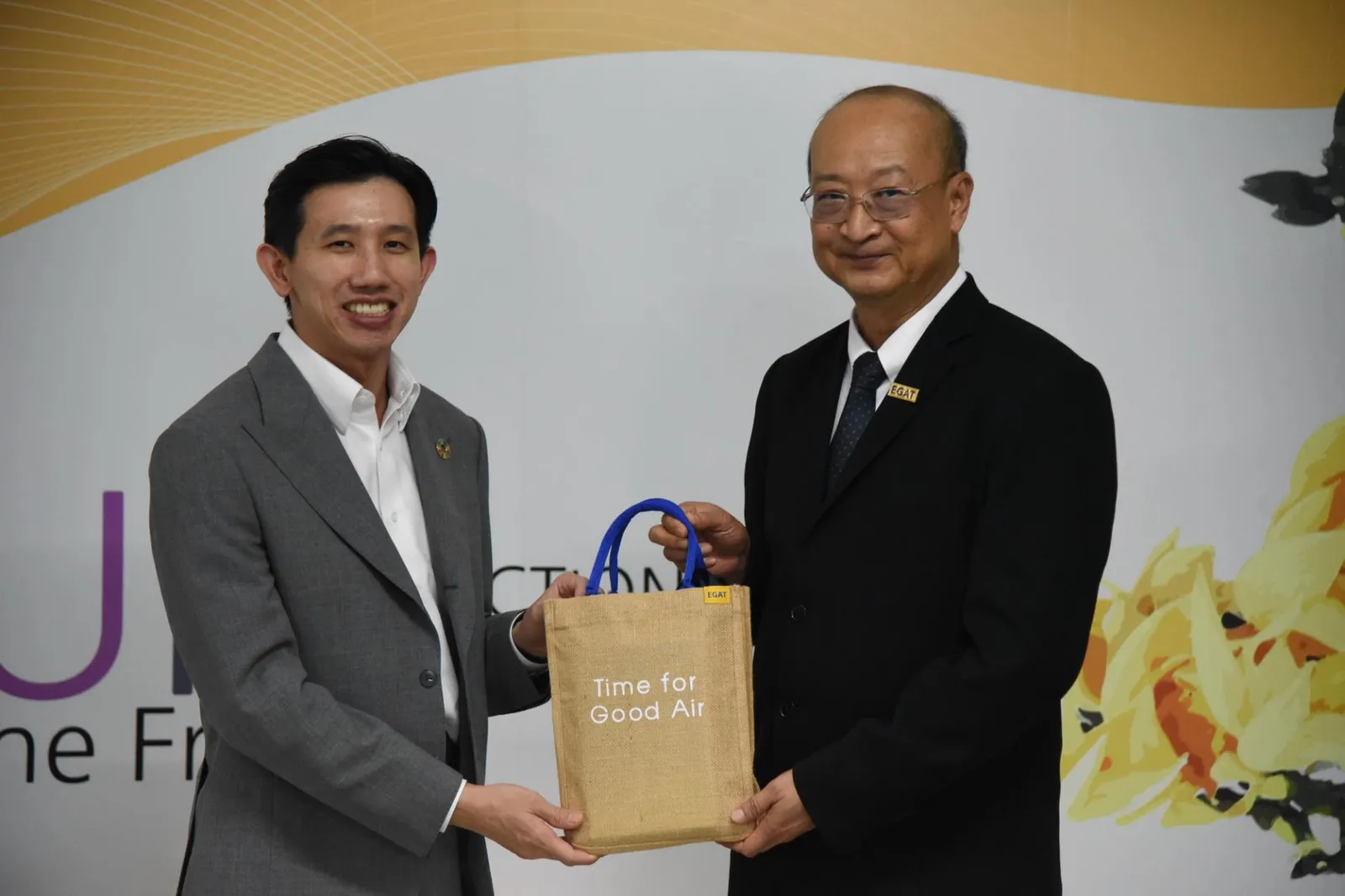
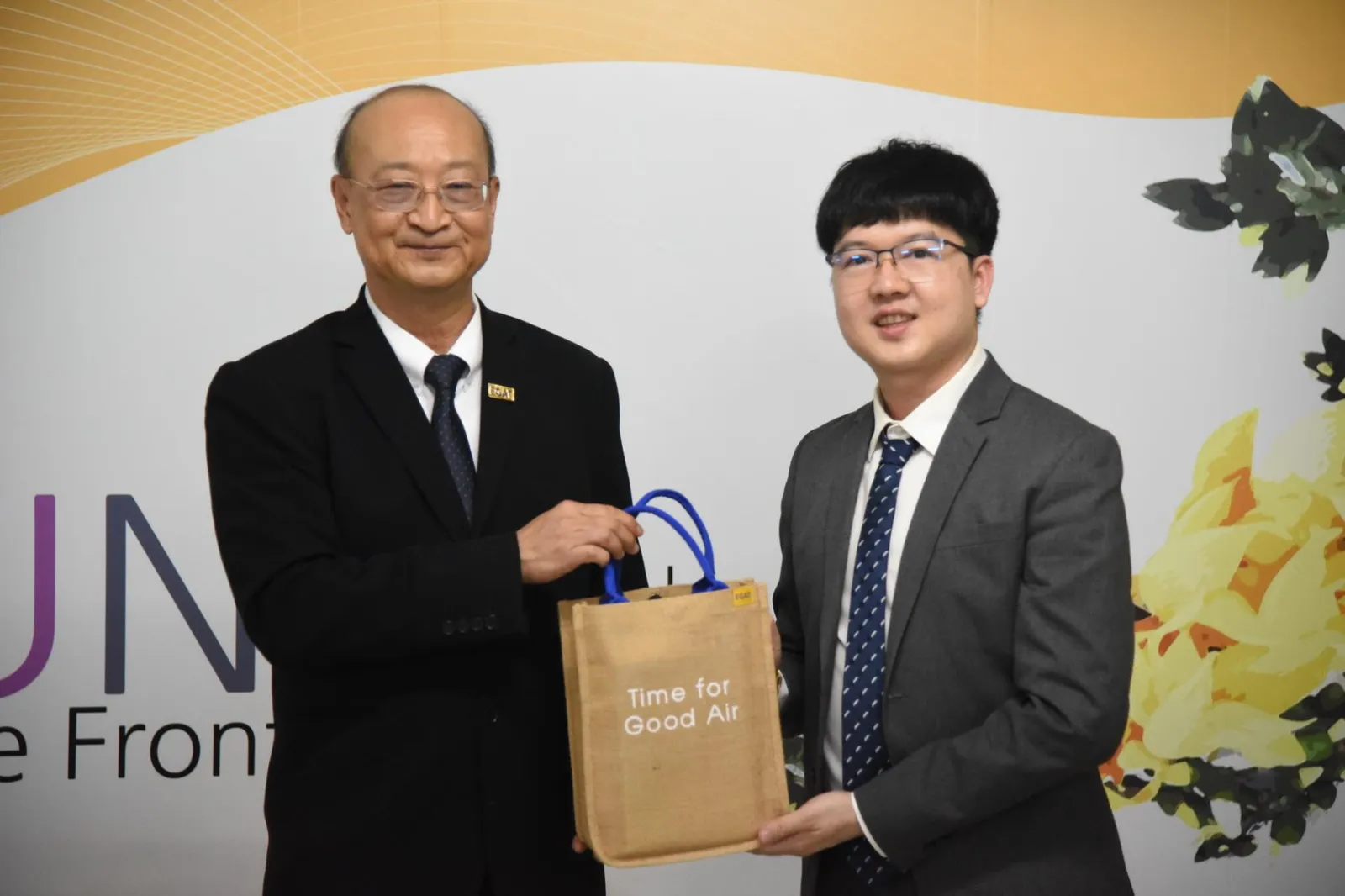
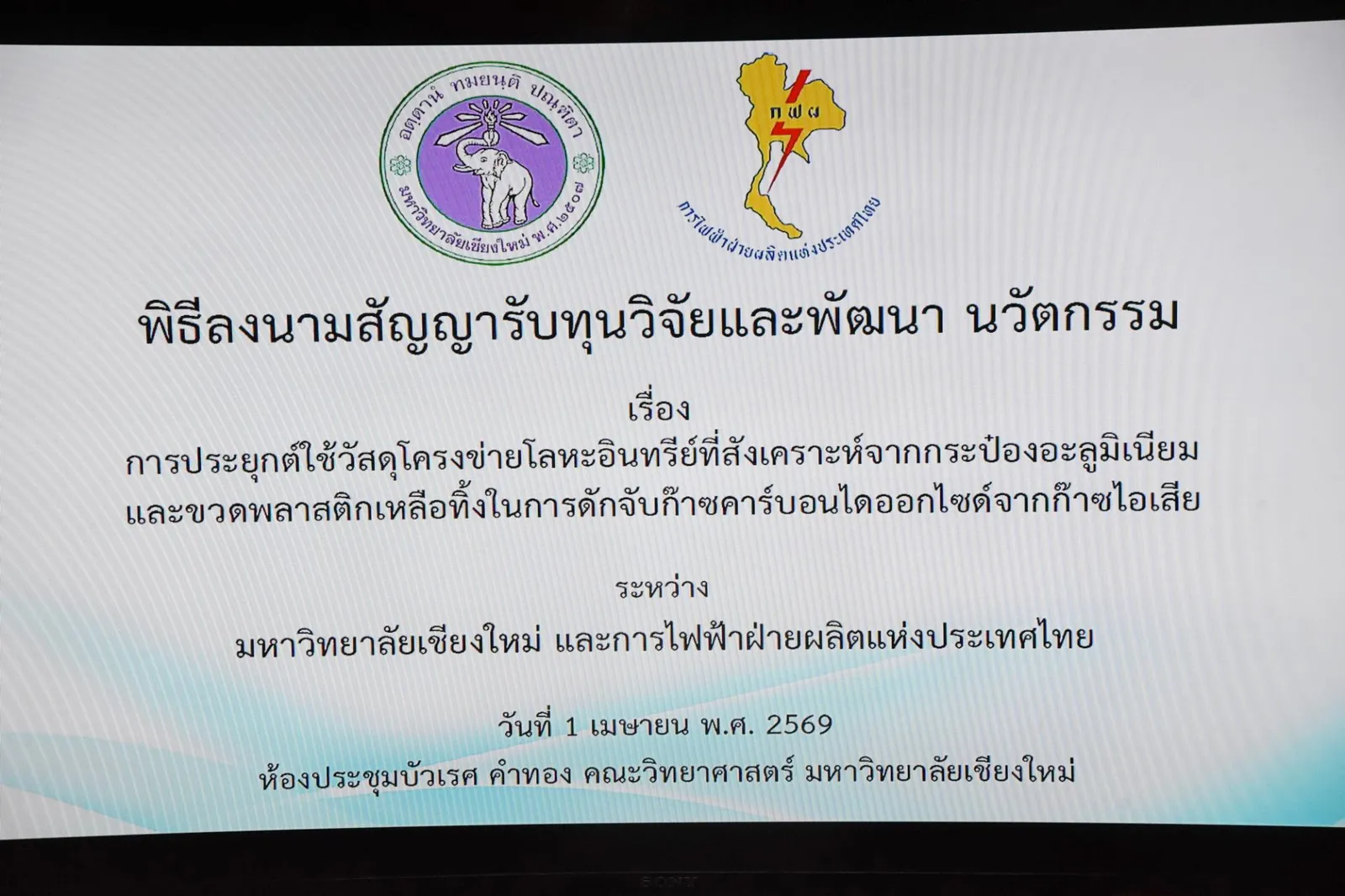
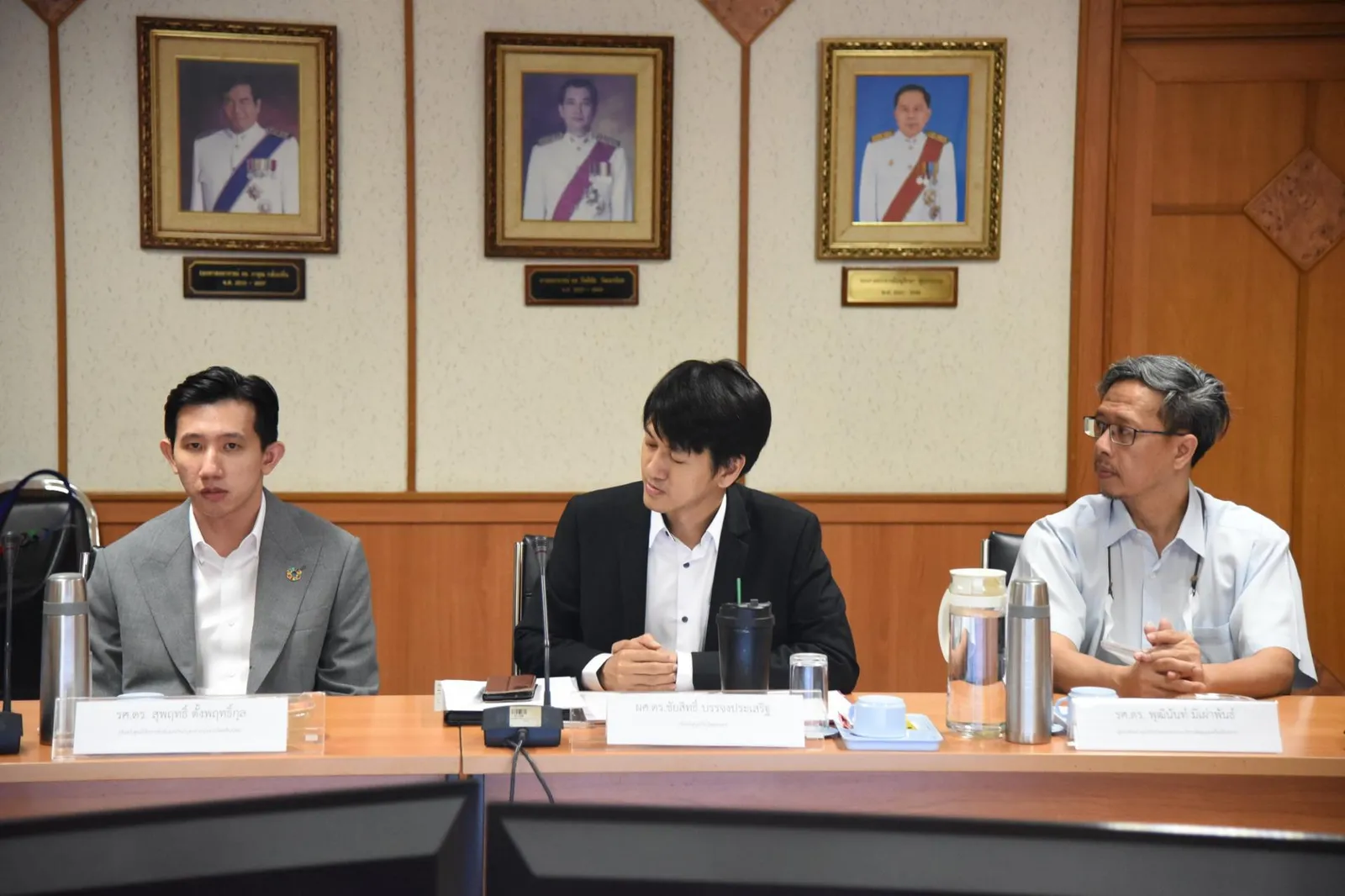
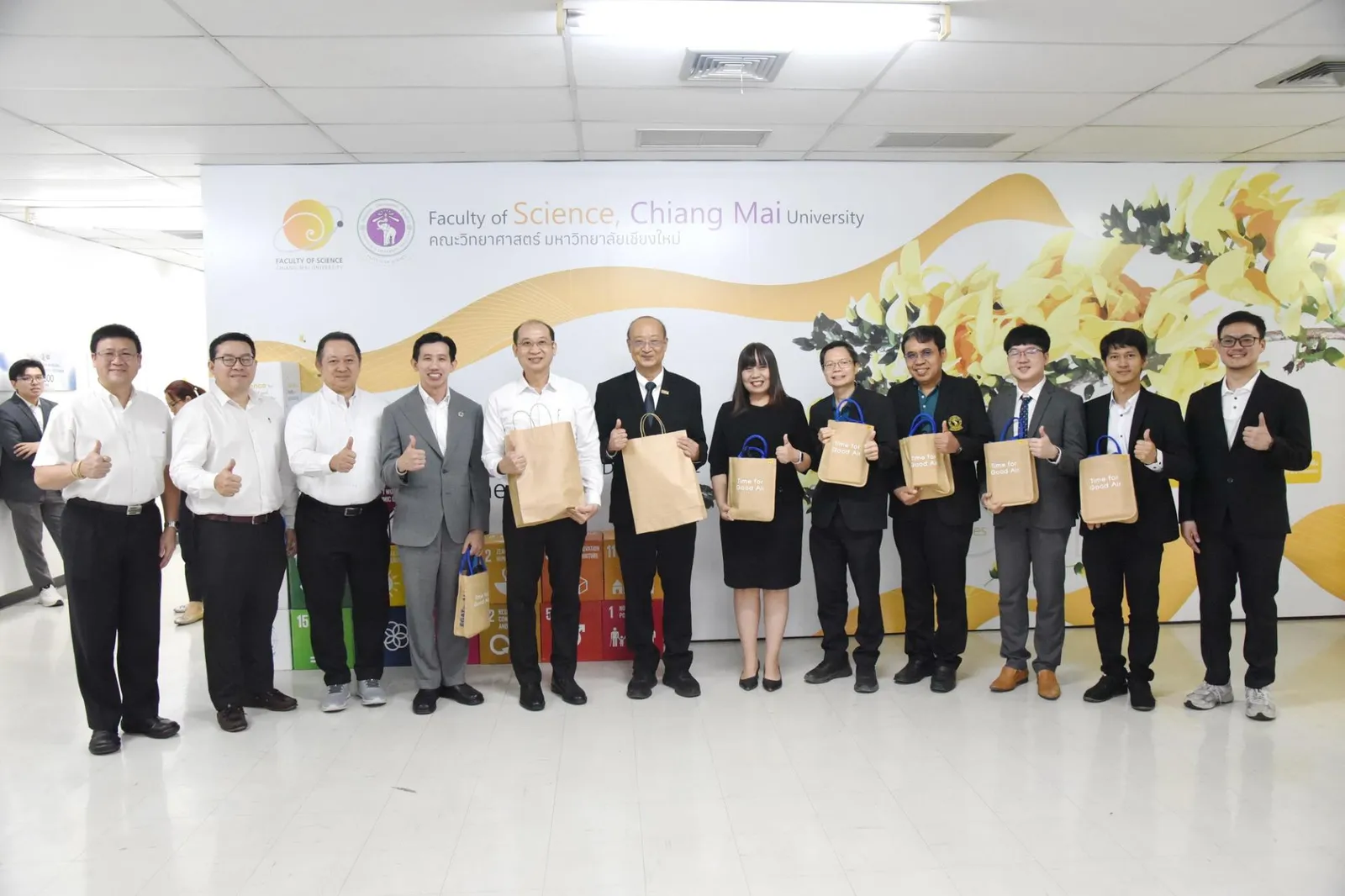
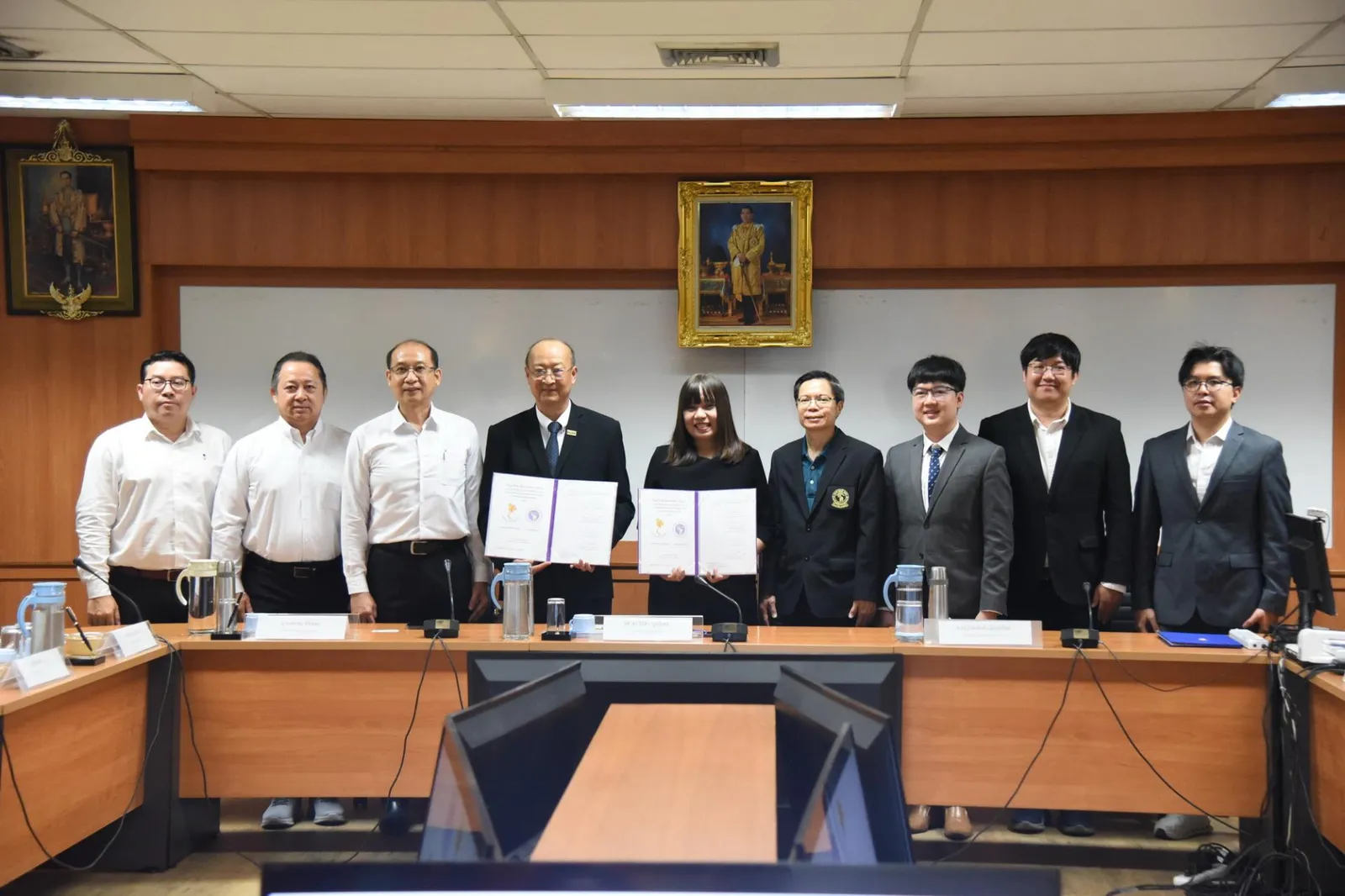
Chiang Mai University, in collaboration with the Electricity Generating Authority of Thailand (EGAT), held a contract signing ceremony and kick-off meeting for the research project entitled “Application of Metal-Organic Frameworks Synthesized from Waste Aluminum Cans and Plastic Bottles for Carbon Dioxide Capture from Flue Gas” on 1 April 2026 at Meeting Room 2 (Buaret Khamthong), 40th Anniversary Building, Faculty of Science, Chiang Mai University. The ceremony was attended by senior executives from both organizations, including Associate Professor Dr. Winita Punyodom, Vice President of Chiang Mai University; Mr. Seksom Tapthong, Assistant Governor - Power Plant Engineering and Construction, EGAT; and Mr. Arin Temiyakoon, Director of Power Plant Engineering Division, EGAT. Also present was Assistant Professor Dr. Yothin Chimupala, Principal Investigator of the project, together with faculty members, researchers, and relevant personnel.
On this occasion, Professor Dr. Piyapong Niamsup, Dean of the Faculty of Science, and Associate Professor Dr. Suparit Tangparitkul, Director of the Chiang Mai Research Center for Carbon Capture and Storage (Chiang Mai CCS), attended the ceremony as distinguished witnesses and expressed their support for the project. Their participation reflects Chiang Mai University’s readiness to integrate academic expertise and research capacity toward the development of industrial-scale greenhouse gas mitigation technologies.
The project is led by Assistant Professor Dr. Yothin Chimupala, with Associate Professor Dr. Saranphong Yimklan, a researcher affiliated with Chiang Mai CCS, serving as a co-investigator. The research focuses on the development of advanced carbon capture technologies for point-source emissions in the energy sector through the application of Metal-Organic Frameworks (MOFs) synthesized from waste materials, including aluminum cans and plastic bottles. These materials are engineered to serve as high-surface-area adsorbents with high efficiency for CO₂ capture from flue gas streams.
This approach integrates materials science and engineering with the concept of a circular economy, aiming to valorize waste materials while simultaneously reducing greenhouse gas emissions. It also contributes to the advancement of carbon capture technologies, a key component of the broader CCUS (Carbon Capture, Utilization and Storage) framework for decarbonizing the energy and industrial sectors.
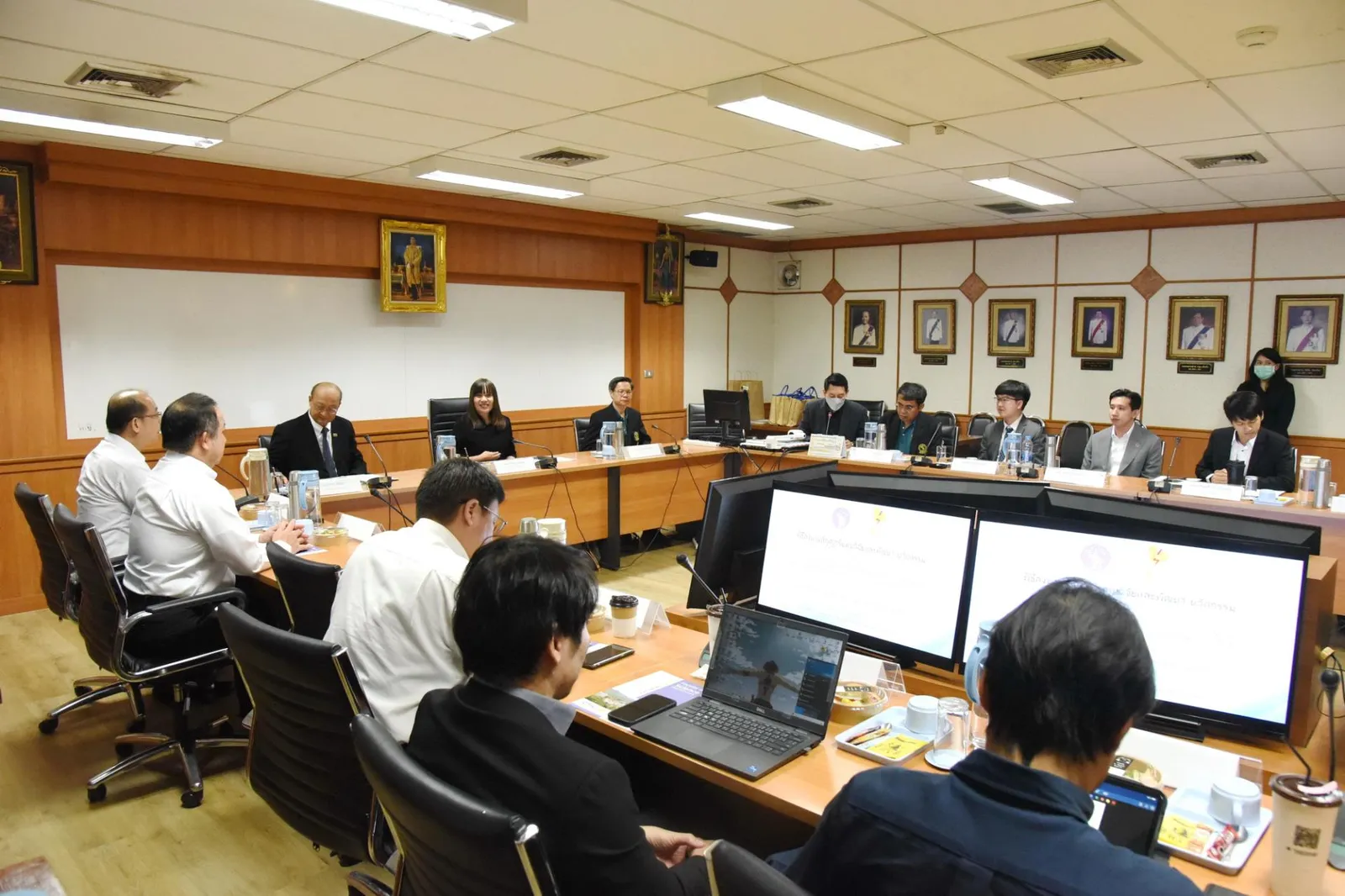
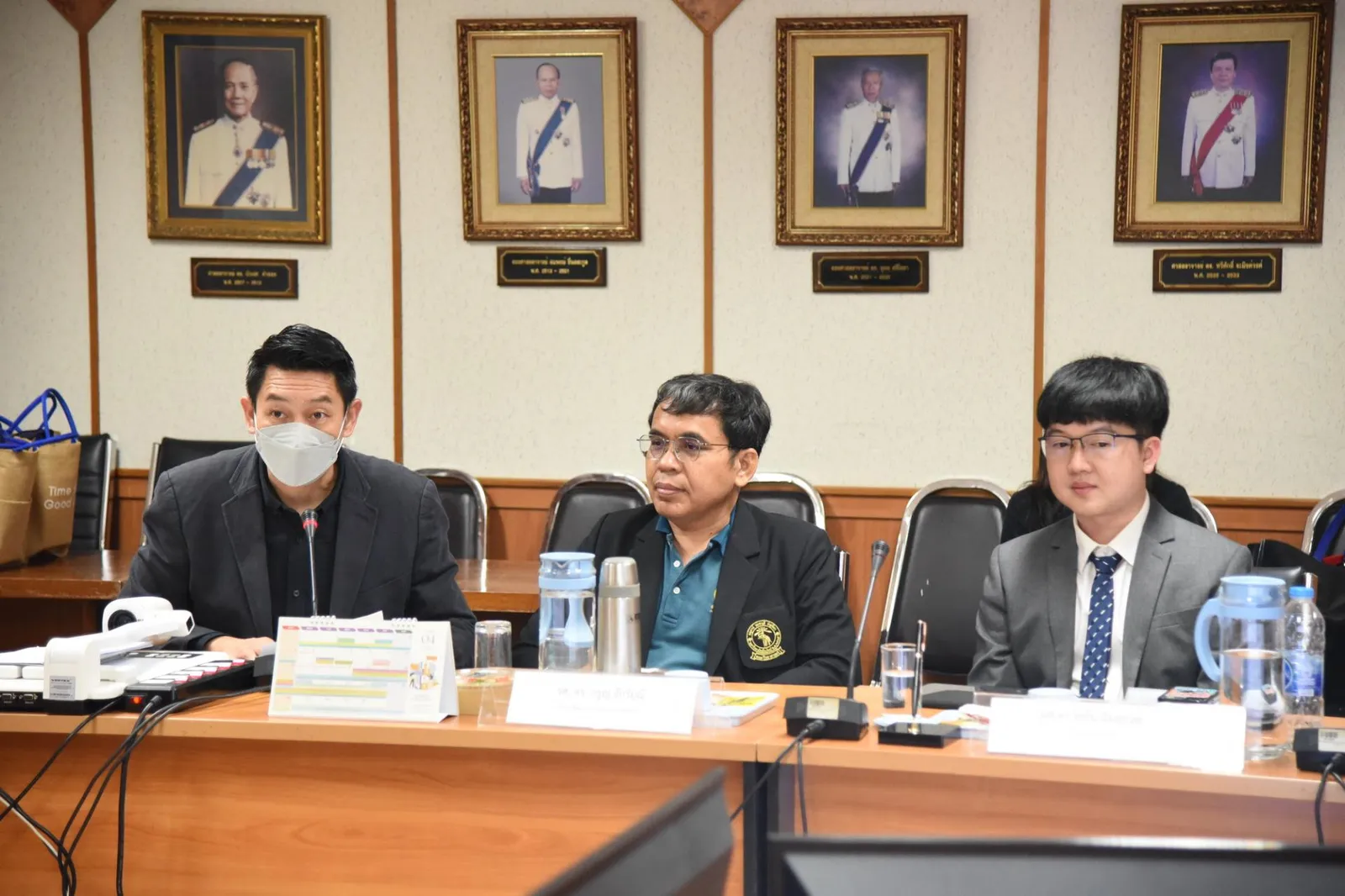
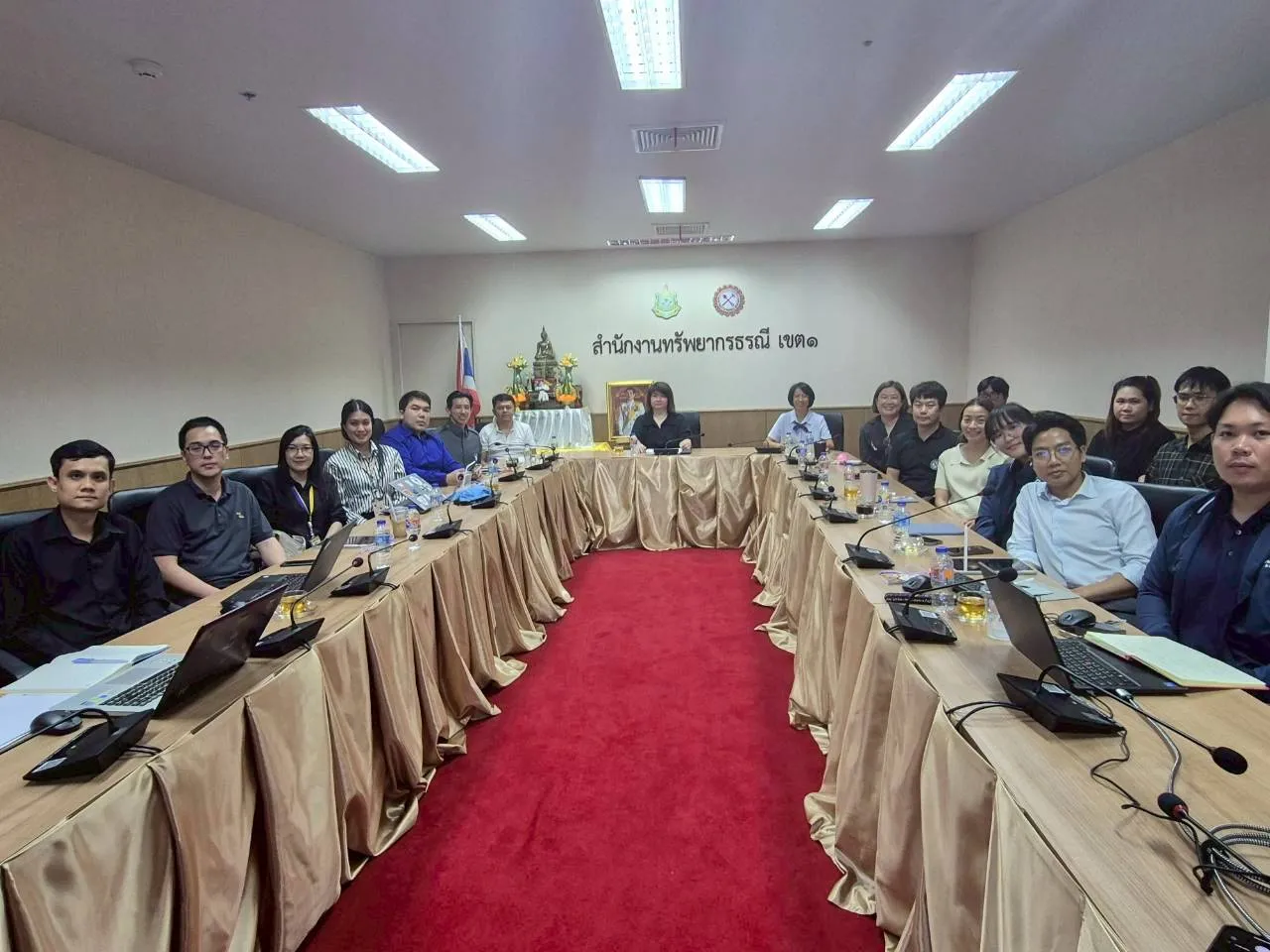
Following the signing ceremony, the research team and representatives from EGAT conducted a project kick-off meeting to define the implementation framework and long-term research plan. Discussions also covered laboratory-scale material development and testing, as well as pathways toward pilot-scale application. The meeting facilitated knowledge exchange between academia and industry to ensure effective translation of research outcomes into practical deployment.
This collaboration underscores the role of Chiang Mai University, particularly Chiang Mai CCS, as a key national research mechanism in advancing CCUS technologies. It highlights contributions in point-source carbon capture, advanced materials development, and the integration of research into industrial applications, supporting Thailand’s transition toward a sustainable Net Zero future.
Chiang Mai CCS ลงนามสัญญาและประชุมเริ่มโครงการวิจัยกับ กฟผ. พัฒนาเทคโนโลยี MOFs จากวัสดุเหลือทิ้งเพื่อดักจับก๊าซคาร์บอนไดออกไซด์จากก๊าซไอเสีย
มหาวิทยาลัยเชียงใหม่ ร่วมกับการไฟฟ้าฝ่ายผลิตแห่งประเทศไทย (กฟผ.) จัดพิธีลงนามสัญญาและประชุมเริ่ม (kick-off) โครงการวิจัยเรื่อง “การประยุกต์ใช้วัสดุโครงข่ายโลหะอินทรีย์ที่สังเคราะห์จากกระป๋องอะลูมิเนียมและขวดพลาสติกเหลือทิ้งในการดักจับก๊าซคาร์บอนไดออกไซด์จากก๊าซไอเสีย” เมื่อวันที่ 1 เมษายน 2569 ณ ห้องประชุม 2 (บัวเรศ คำทอง) อาคาร 40 ปี คณะวิทยาศาสตร์ มหาวิทยาลัยเชียงใหม่ โดยมีผู้บริหารระดับสูงจากทั้งสองหน่วยงานร่วมลงนามในสัญญาและเป็นสักขีพยาน ได้แก่ รองศาสตราจารย์ ดร.วินิตา บุณโยดม รองอธิการบดีมหาวิทยาลัยเชียงใหม่ นายเศกสม ทัพทอง ผู้ช่วยผู้ว่าการวิศวกรรมและก่อสร้างโรงไฟฟ้า และนายอรินทม์ เตมียกุล ผู้อำนวยการฝ่ายวิศวกรรมโรงไฟฟ้า การไฟฟ้าฝ่ายผลิตแห่งประเทศไทย พร้อมด้วย ผู้ช่วยศาสตราจารย์ ดร.โยธิน ฉิมอุปละ หัวหน้าโครงการวิจัย โดยมีคณาจารย์ นักวิจัย และบุคลากรที่เกี่ยวข้องเข้าร่วม
ในการนี้ ศาสตราจารย์ ดร.ปิยะพงศ์ เนียมทรัพย์ คณบดีคณะวิทยาศาสตร์ และ รองศาสตราจารย์ ดร.สุพฤทธิ์ ตั้งพฤทธิ์กุล หัวหน้าศูนย์วิจัยการดักจับและกักเก็บคาร์บอนไดออกไซด์เชียงใหม่ (Chiang Mai CCS) ได้ร่วมเป็นเกียรติในพิธีและร่วมสนับสนุนการดำเนินโครงการวิจัย ซึ่งสะท้อนถึงความพร้อมของมหาวิทยาลัยเชียงใหม่ในการบูรณาการองค์ความรู้และศักยภาพด้านการวิจัยสู่การพัฒนาเทคโนโลยีด้านการลดการปล่อยก๊าซเรือนกระจกในระดับอุตสาหกรรม
โครงการวิจัยดังกล่าวมี ผู้ช่วยศาสตราจารย์ ดร.โยธิน ฉิมอุปละ เป็นหัวหน้าโครงการ และมี รองศาสตราจารย์ ดร.ศรัญพงศ์ ยิ้มกลั่น อาจารย์นักวิจัยของศูนย์วิจัย Chiang Mai CCS ร่วมเป็นนักวิจัย โดยมุ่งเน้นการพัฒนาเทคโนโลยีการดักจับก๊าซคาร์บอนไดออกไซด์จากแหล่งกำเนิดในภาคพลังงาน ผ่านการประยุกต์ใช้วัสดุขั้นสูงประเภท Metal-Organic Frameworks (MOFs) ซึ่งสังเคราะห์จากวัสดุเหลือทิ้ง ได้แก่ กระป๋องอะลูมิเนียมและขวดพลาสติก เพื่อให้ได้วัสดุดูดซับที่มีพื้นที่ผิวสูงและมีประสิทธิภาพในการดักจับก๊าซคาร์บอนไดออกไซด์จากก๊าซไอเสีย
แนวทางดังกล่าวเป็นการบูรณาการองค์ความรู้ด้านวัสดุศาสตร์และวิศวกรรมเข้ากับแนวคิด เศรษฐกิจหมุนเวียน (circular economy) เพื่อเพิ่มมูลค่าให้วัสดุเหลือทิ้งควบคู่กับการลดการปล่อยก๊าซเรือนกระจก และสนับสนุนการพัฒนาเทคโนโลยี Carbon Capture ซึ่งเป็นองค์ประกอบสำคัญของแนวทาง CCUS (Carbon Capture, Utilization and Storage) สำหรับการลดการปล่อยคาร์บอนในภาคพลังงานและอุตสาหกรรม
ภายหลังพิธีลงนาม คณะผู้วิจัยและผู้แทนจาก กฟผ. ได้ร่วมประชุมเปิดโครงการเพื่อกำหนดกรอบการดำเนินงาน แผนการวิจัยในระยะยาว รวมถึงแนวทางการพัฒนาและทดสอบวัสดุในระดับห้องปฏิบัติการและการต่อยอดสู่ระดับกึ่งอุตสาหกรรม (pilot scale) พร้อมทั้งส่งเสริมการแลกเปลี่ยนองค์ความรู้ระหว่างภาควิชาการและภาคอุตสาหกรรม เพื่อผลักดันการนำผลงานวิจัยไปสู่การใช้งานจริง
ความร่วมมือในครั้งนี้สะท้อนบทบาทของมหาวิทยาลัยเชียงใหม่ โดยเฉพาะศูนย์วิจัย Chiang Mai CCS ในการเป็นกลไกสำคัญด้านการวิจัยและพัฒนาเทคโนโลยี CCUS ของประเทศ ทั้งในมิติของการพัฒนาเทคโนโลยีการดักจับคาร์บอนจากแหล่งกำเนิด การพัฒนาวัสดุขั้นสูง และการเชื่อมโยงงานวิจัยสู่การประยุกต์ใช้ในภาคพลังงานและอุตสาหกรรม เพื่อขับเคลื่อนประเทศไทยสู่เป้าหมาย Net Zero อย่างยั่งยืนในระยะยาว.