Chiang Mai CCS Advances Collaborative Research with EGAT and Department of Mineral Resources on CO₂ Mineralization in Basalt near Mae Moh, Lampang
The Chiang Mai Research Center for Carbon Capture and Storage (Chiang Mai CCS has initiated the research project entitled “CO₂ Mineralization in Basalt near Mae Moh Mine,” supported by the Electricity Generating Authority of Thailand (EGAT) and conducted in collaboration with the Office of Mineral Resources Region 1, Department of Mineral Resources (DMR). The project aims to evaluate the potential for long-term carbon dioxide storage through mineral carbonation reactions in basalt formations in Lampang—an approach recognized for its high stability and permanence in geological carbon storage.
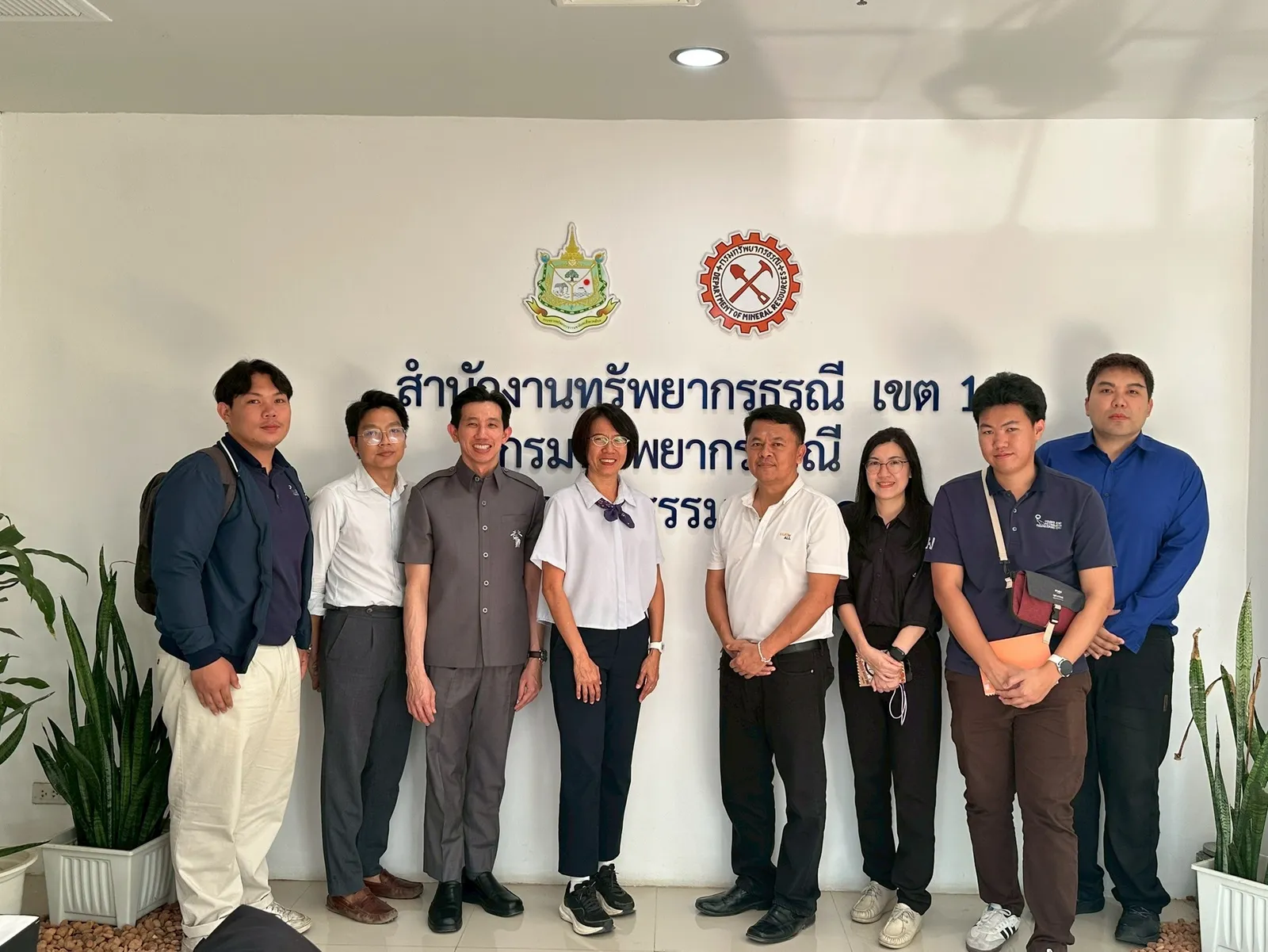
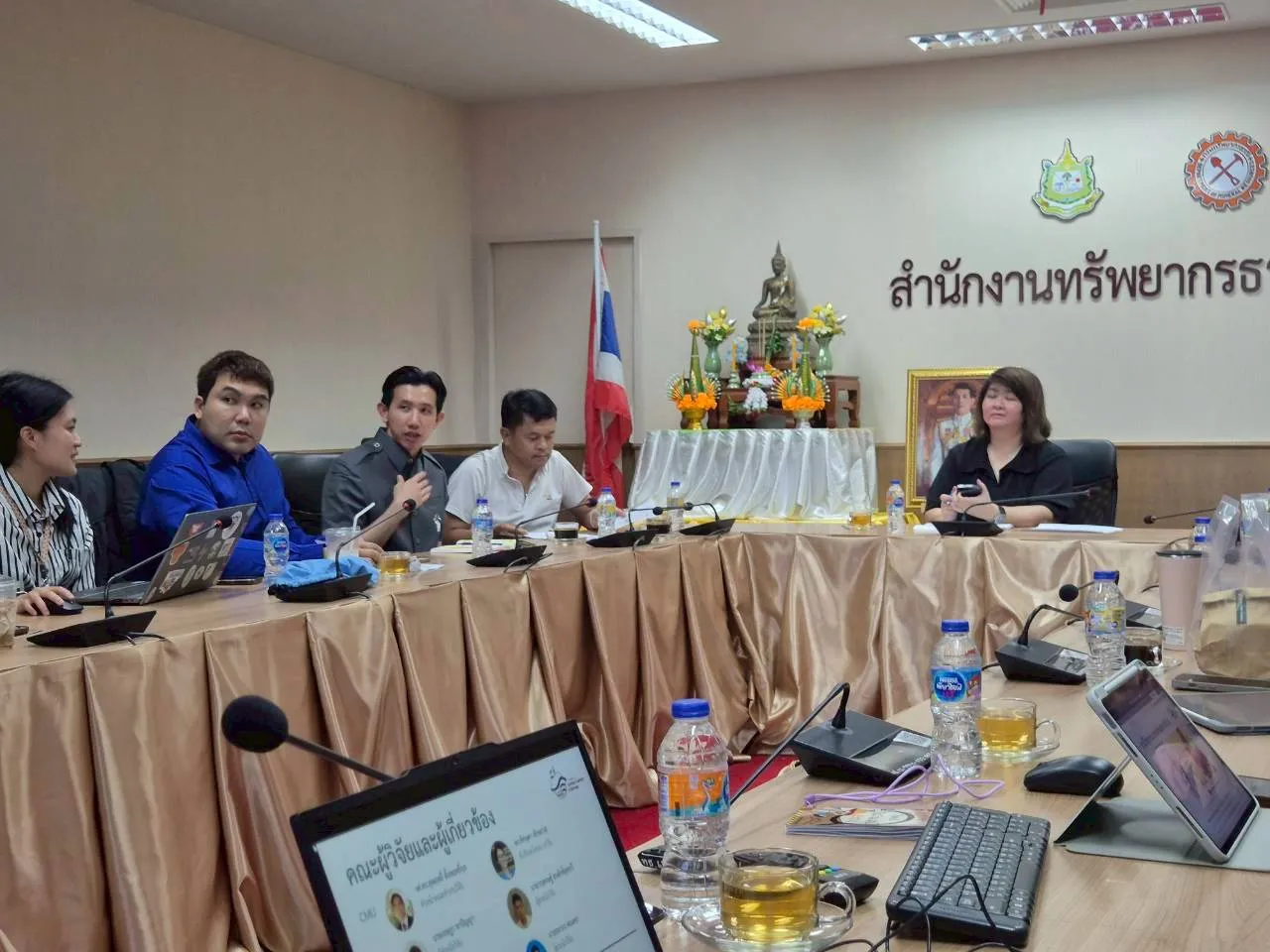
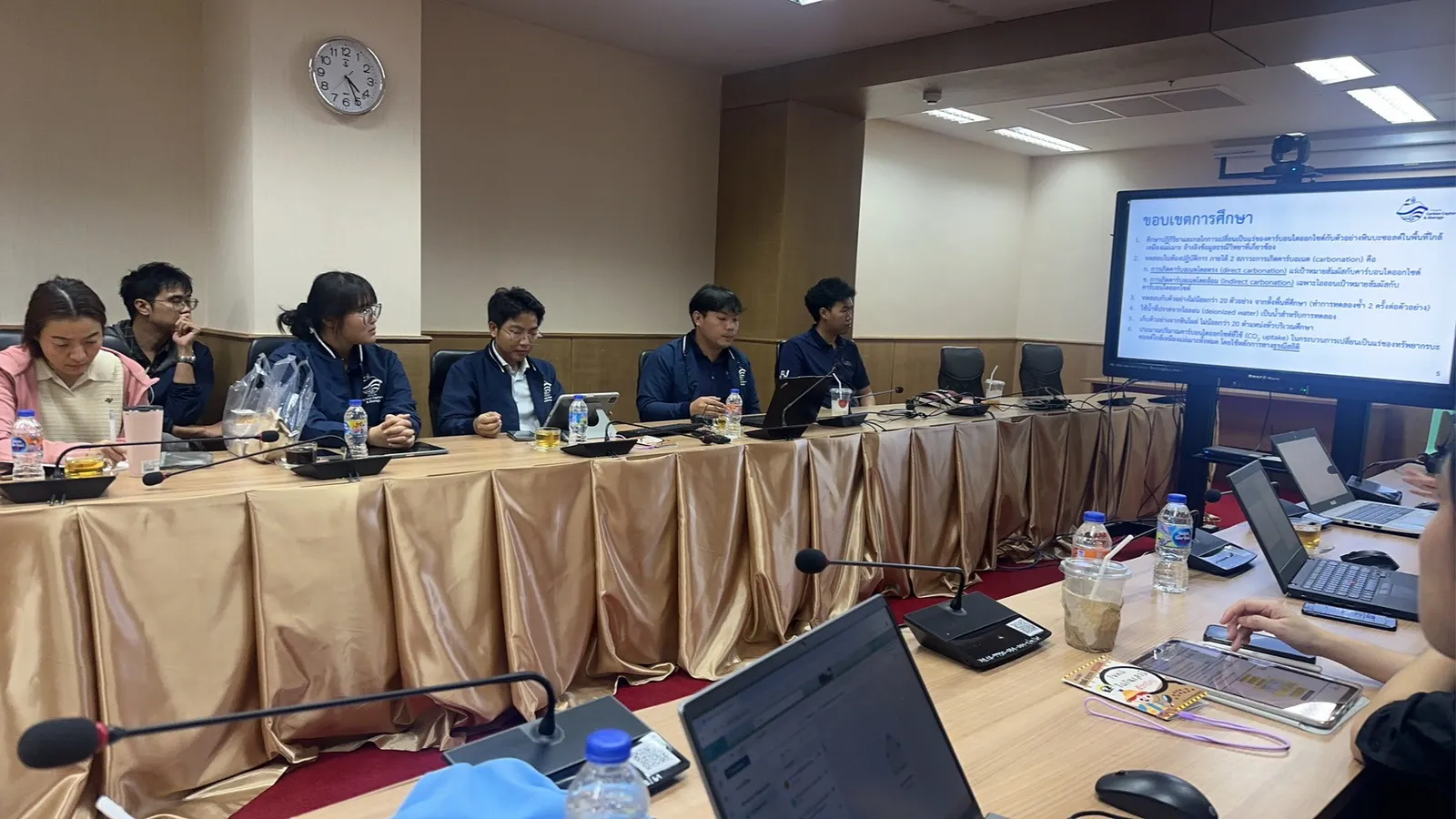
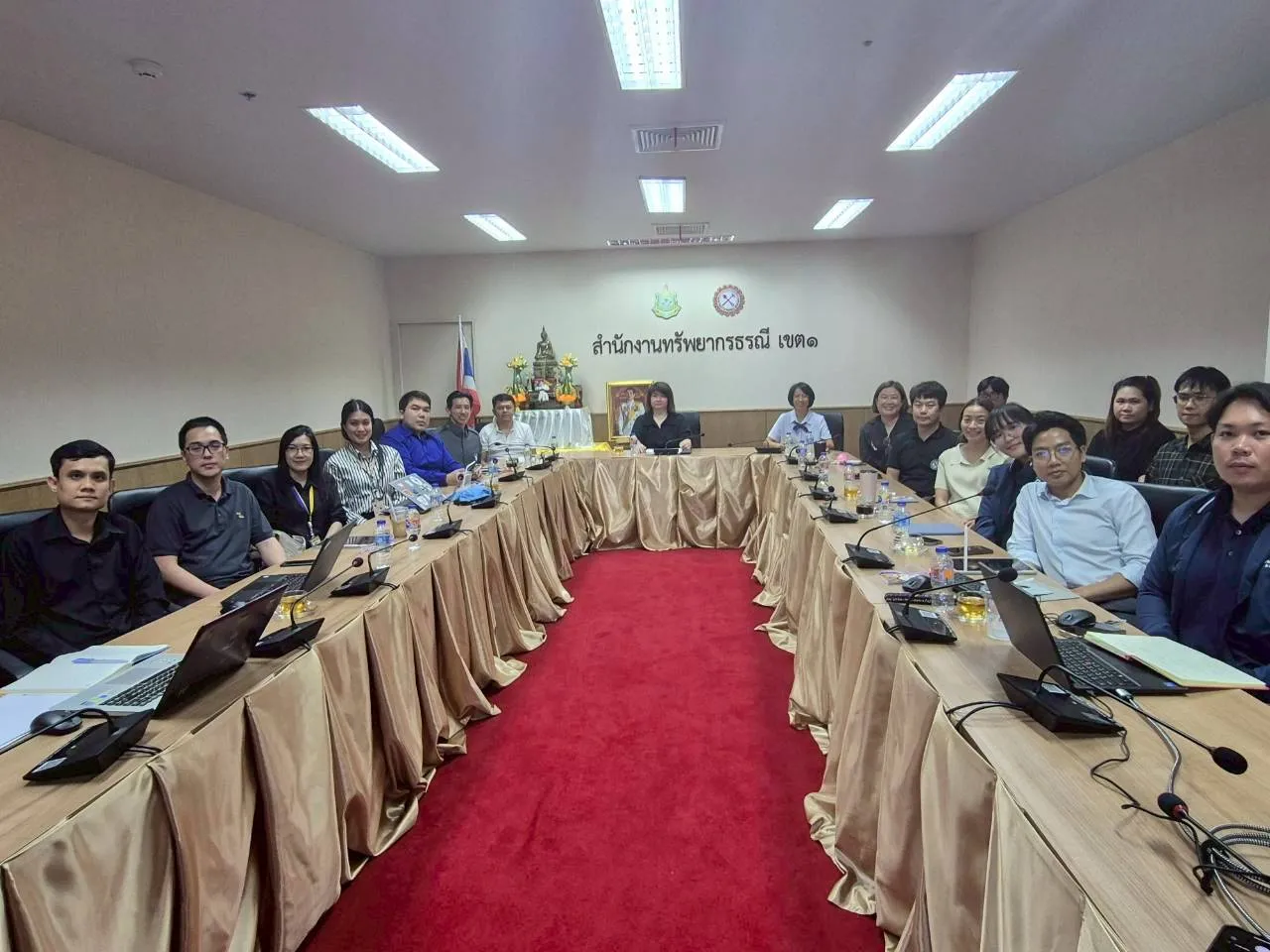
On 29 January 2026, the Chiang Mai CCS research team held a coordination meeting with representatives from EGAT and the Office of Mineral Resources Region 1 at the DMR Regional Office in Lampang to formalize the research collaboration and plan upcoming field activities. The meeting focused on defining sampling strategies, selecting appropriate basalt outcrops, and integrating geological data to ensure that field investigations are conducted systematically and in accordance with the geological context of the study area.
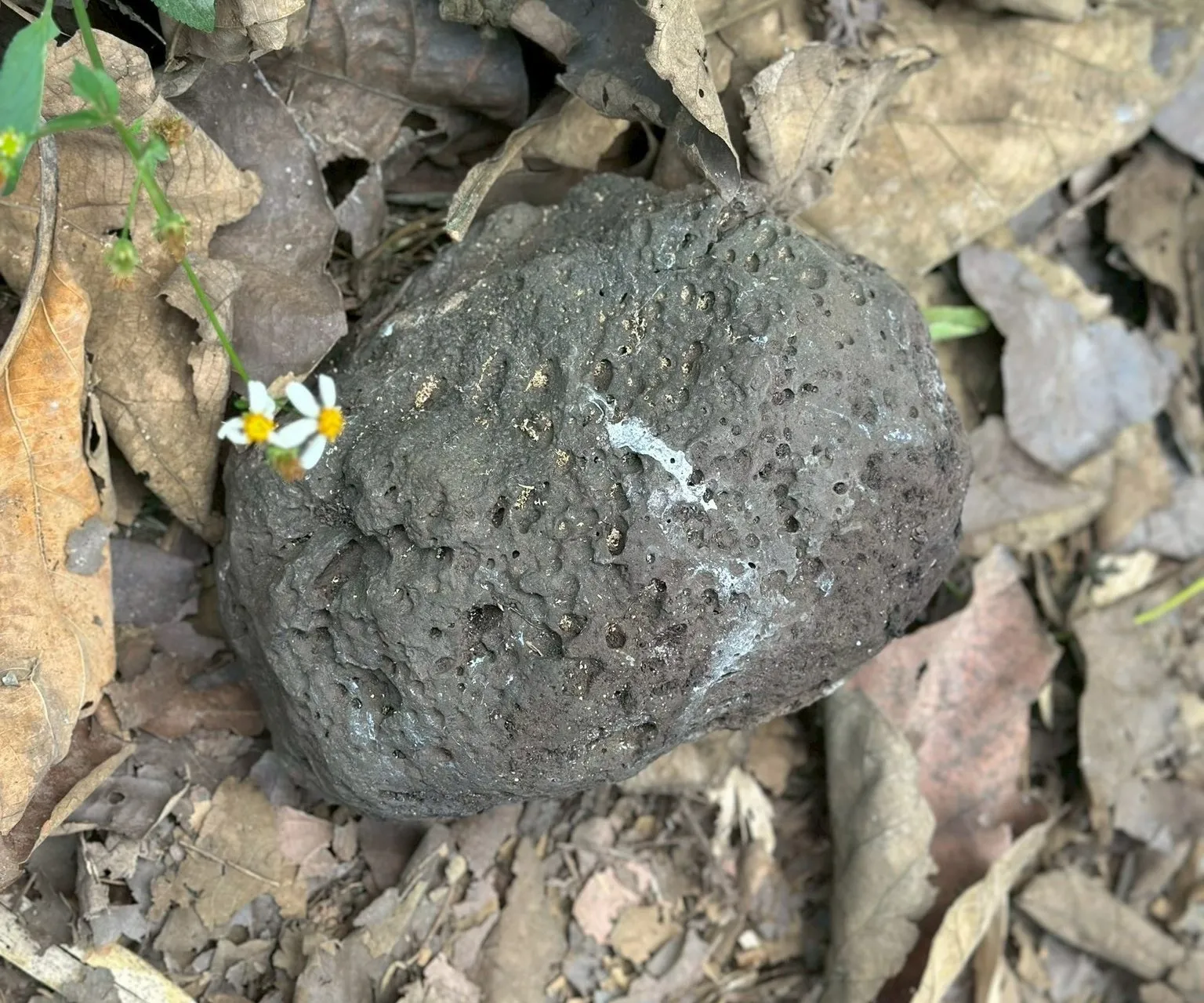
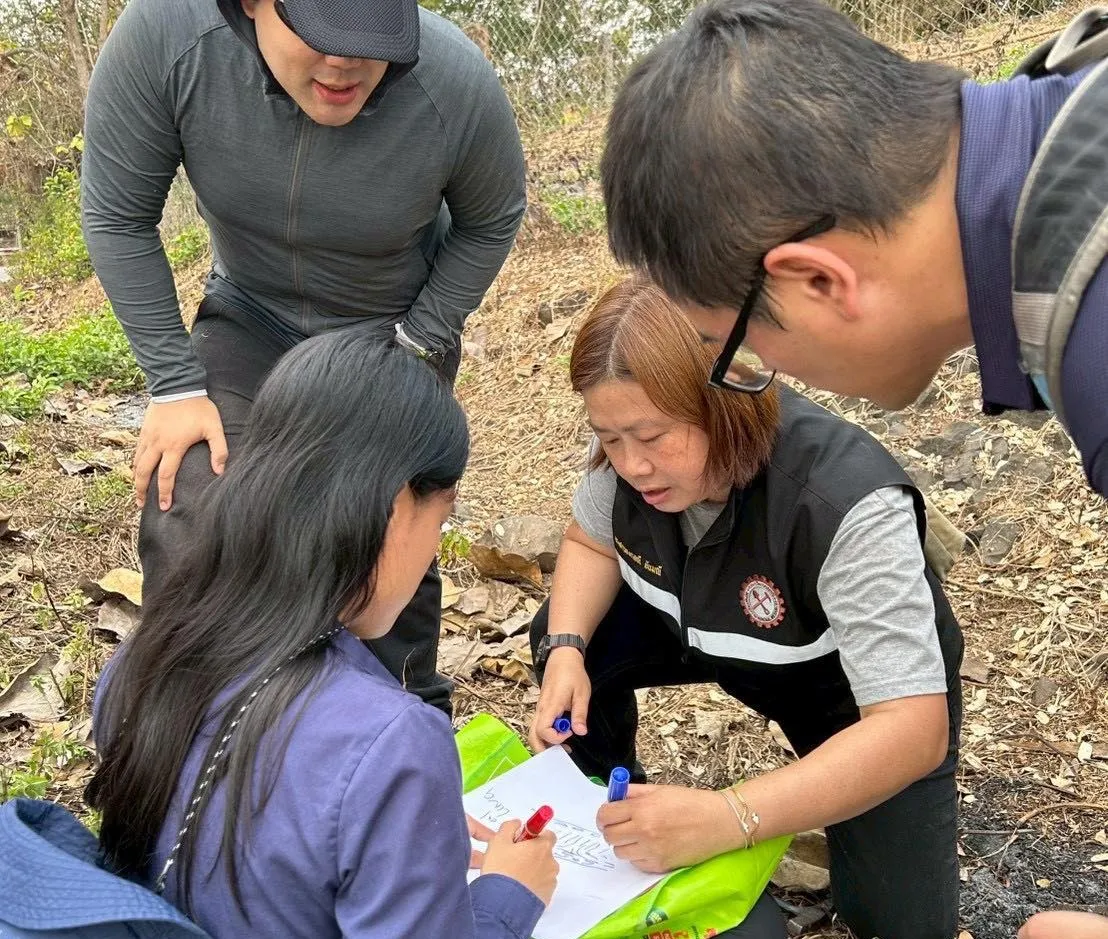
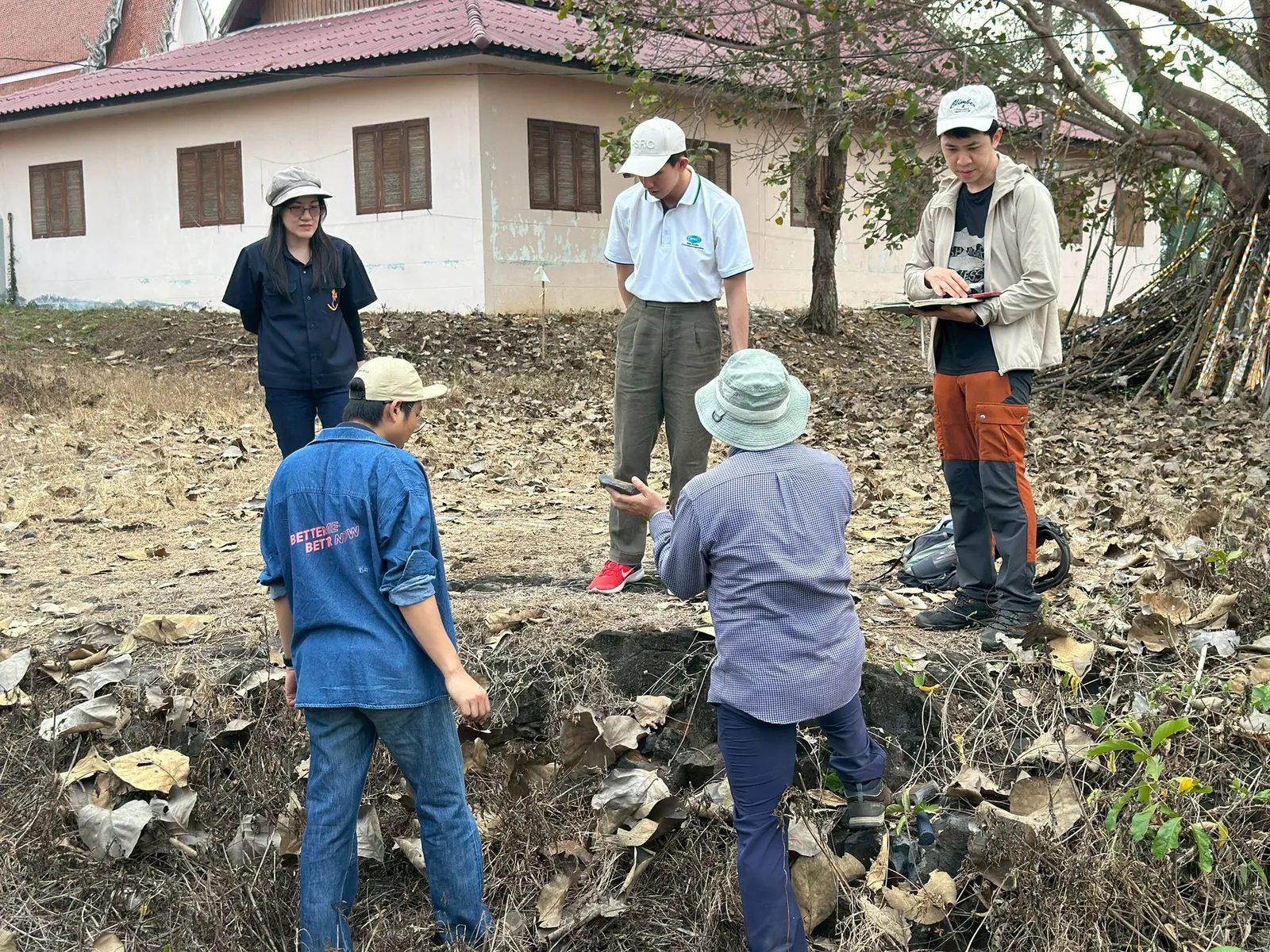
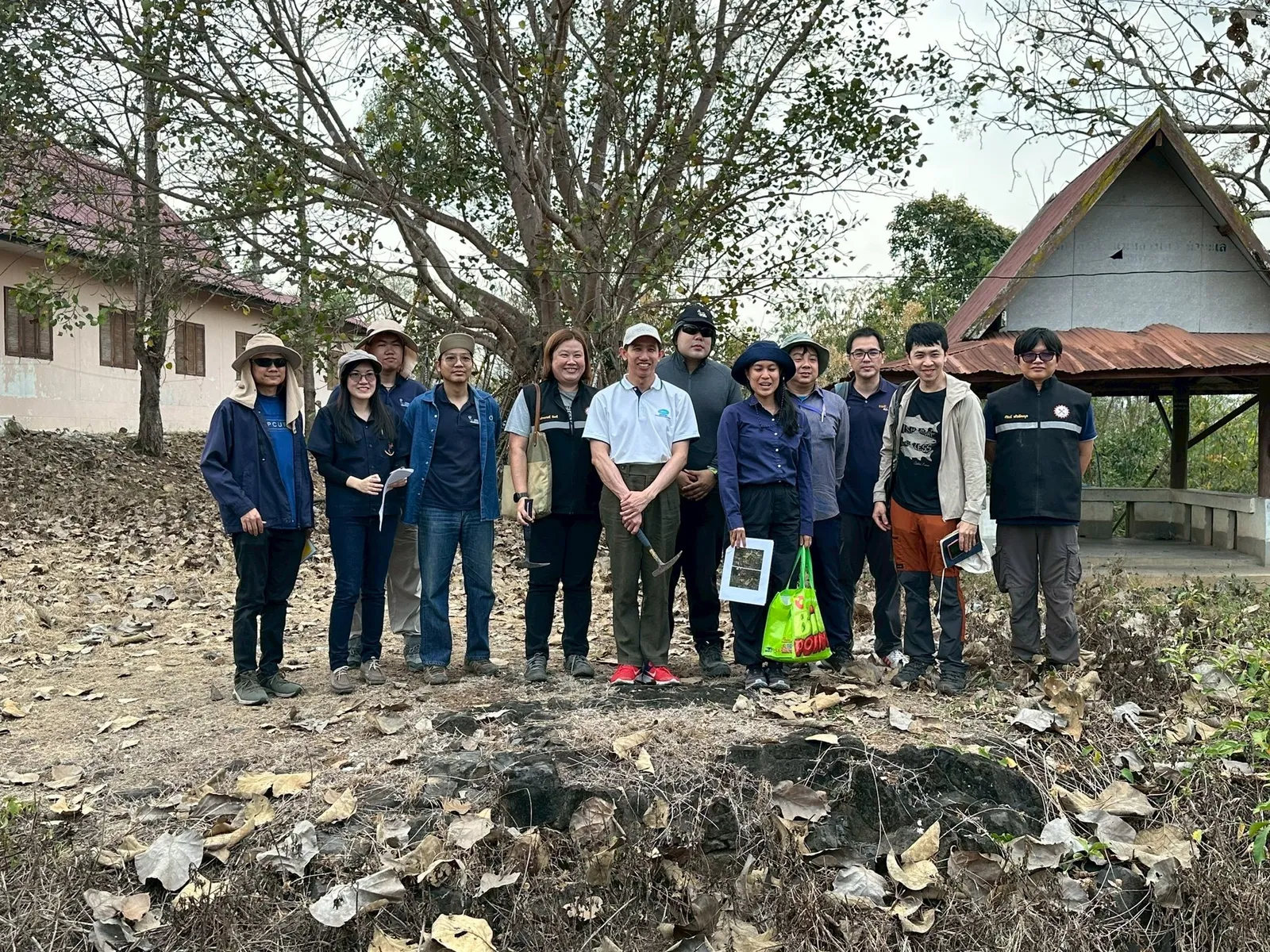
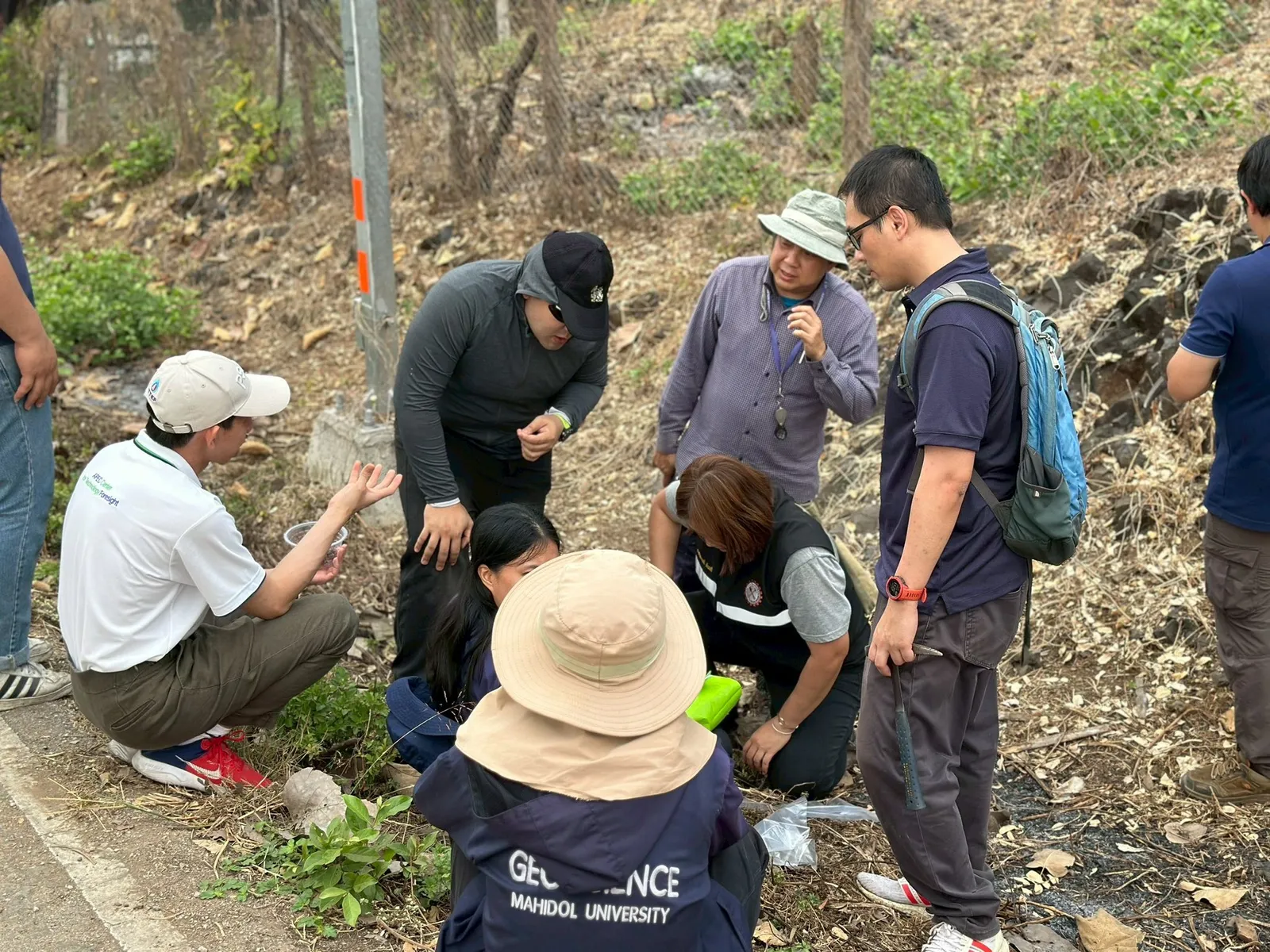
Subsequently, on 18 February 2026, researchers from all three organizations carried out additional basalt sampling in the study area. The collected samples will undergo laboratory analyses to determine their physical and geochemical properties, mineral composition, and potential for carbonation reactions in line with the project objectives. Field activities also included verification of basalt resource boundaries relevant to the study.
The project is led by Associate Professor Dr. Suparit Tangparitkul, Director of Chiang Mai CCS, with participation from researchers at Chiang Mai University, representatives from EGAT, and geological experts from the Office of Mineral Resources Region 1, who provide essential site-specific geological data and expertise. This collaboration reflects an integrated partnership among academia, a state enterprise in the energy sector, and a national geological authority to advance scientific knowledge in geological carbon storage and to lay the academic foundation for future CCUS applications in Thailand’s energy and industrial sectors.
Chiang Mai CCS เดินหน้าโครงการวิจัยร่วม กฟผ. และสำนักงานทรัพยากรธรณี เขต 1 ศึกษาการเปลี่ยนเป็นแร่ของคาร์บอนไดออกไซด์กับหินบะซอลต์ในพื้นที่แม่เมาะ จ.ลำปาง
ศูนย์วิจัยการดักจับและกักเก็บคาร์บอนไดออกไซด์เชียงใหม่ (Chiang Mai CCS) มหาวิทยาลัยเชียงใหม่ ดำเนินโครงการวิจัย “การเปลี่ยนเป็นแร่ของคาร์บอนไดออกไซด์กับหินบะซอลต์ใกล้เหมืองแม่เมาะ” โดยได้รับทุนสนับสนุนจากการไฟฟ้าฝ่ายผลิตแห่งประเทศไทย (กฟผ.) และดำเนินงานร่วมกับสำนักงานทรัพยากรธรณี เขต 1 กรมทรัพยากรธรณี เพื่อศึกษาศักยภาพการกักเก็บคาร์บอนไดออกไซด์ในรูปแบบการเกิดแร่คาร์บอเนต (mineral carbonation) ในหินบะซอลต์พื้นที่จังหวัดลำปาง ซึ่งเป็นกลไกการกักเก็บคาร์บอนที่มีเสถียรภาพและความมั่นคงในระยะยาว
เมื่อวันที่ 29 มกราคม 2569 คณะนักวิจัยของ Chiang Mai CCS ได้เข้าประชุมหารือร่วมกับผู้แทนสำนักงานทรัพยากรธรณี เขต 1 และ กฟผ. ณ สำนักงานทรัพยากรธรณี เขต 1 จังหวัดลำปาง เพื่อกำหนดกรอบความร่วมมือและวางแผนการดำเนินงานภาคสนาม โดยได้ร่วมกันกำหนดแนวทางการเลือกตำแหน่งเก็บตัวอย่างหินบะซอลต์ การสำรวจภาคสนาม และการบูรณาการข้อมูลธรณีวิทยาเชิงพื้นที่ เพื่อให้การศึกษาวิจัยเป็นไปอย่างเป็นระบบและสอดคล้องกับสภาพแวดล้อมทางธรณีวิทยาของพื้นที่ศึกษา
ต่อมาเมื่อวันที่ 18 กุมภาพันธ์ 2569 คณะนักวิจัยจากทั้งสามหน่วยงานได้ลงพื้นที่เก็บตัวอย่างหินบะซอลต์เพิ่มเติม เพื่อนำไปวิเคราะห์สมบัติทางกายภาพและเคมี องค์ประกอบแร่ และศักยภาพการเกิดปฏิกิริยาแร่คาร์บอเนชันตามวัตถุประสงค์ของโครงการ พร้อมทั้งตรวจสอบและยืนยันขอบเขตพื้นที่ทรัพยากรหินบะซอลต์ที่เกี่ยวข้องกับการศึกษา
โครงการดังกล่าวมี รองศาสตราจารย์ ดร.สุพฤทธิ์ ตั้งพฤทธิ์กุล หัวหน้าศูนย์วิจัย Chiang Mai CCS เป็นหัวหน้าโครงการ โดยมีคณะนักวิจัยจากมหาวิทยาลัยเชียงใหม่ร่วมดำเนินงานกับผู้แทนจาก กฟผ. และผู้เชี่ยวชาญด้านธรณีวิทยาของสำนักงานทรัพยากรธรณี เขต 1 ซึ่งเป็นหน่วยงานเจ้าของข้อมูลและองค์ความรู้เชิงพื้นที่ ความร่วมมือครั้งนี้สะท้อนการทำงานแบบบูรณาการระหว่างสถาบันการศึกษา หน่วยงานรัฐวิสาหกิจด้านพลังงาน และหน่วยงานด้านทรัพยากรธรณี เพื่อพัฒนาองค์ความรู้ด้านการกักเก็บคาร์บอนเชิงธรณีวิทยา และวางรากฐานทางวิชาการรองรับการประยุกต์ใช้เทคโนโลยี CCUS ในภาคพลังงานและอุตสาหกรรมของประเทศในอนาคต